Deep Cleaning vs Routine Cleaning: What Does Your Facility Need?
Most commercial facilities need more than one type of cleaning. Daily or weekly routines keep visible areas under control, but they do not always remove buildup from corners, high-touch surfaces, floors, grout lines, staff areas, equipment-adjacent zones, or hard-to-reach spaces. That is why understanding deep cleaning vs routine cleaning matters for facility managers, property managers, operations teams, and business owners across Ontario.
The question is not whether one option is better than the other. The real question is what your facility needs at the right time. Routine cleaning helps maintain daily standards. Deep cleaning resets the facility when dirt, dust, residue, odours, stains, or neglected areas begin affecting safety, hygiene, presentation, and long-term maintenance.
Deep Cleaning vs Routine Cleaning: The Practical Difference
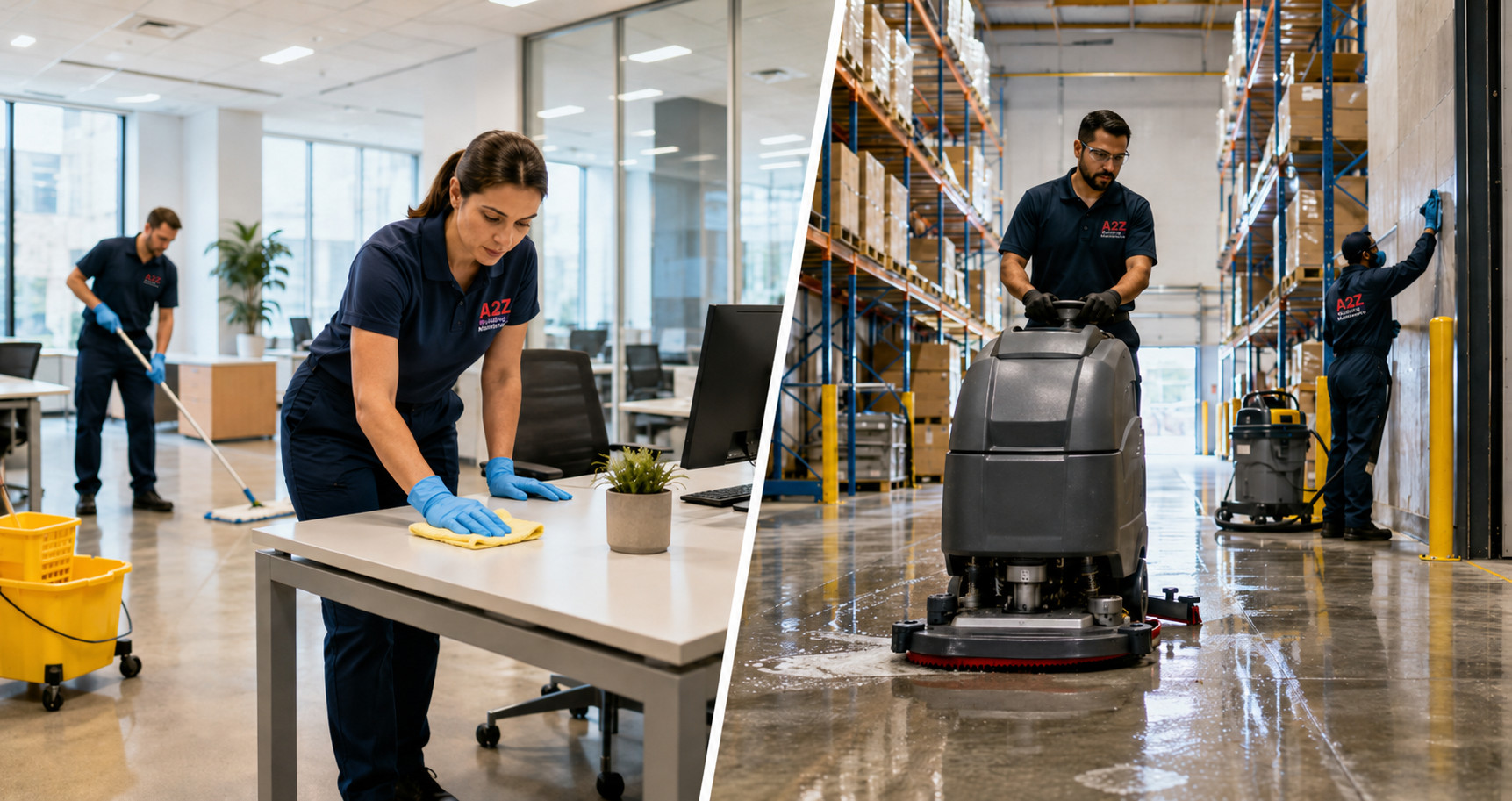
Routine cleaning is the regular cleaning performed to keep a workplace functional, presentable, and safe for day-to-day use. It often includes tasks such as vacuuming, mopping, washroom cleaning, garbage removal, surface wiping, entryway cleaning, and basic touchpoint disinfection.
Deep cleaning is more detailed and intensive. It targets buildup that routine cleaning may not fully remove, especially in areas that are less visible, more difficult to access, or exposed to heavy use. This can include detailed floor care, grout cleaning, baseboards, behind furniture, high dusting, interior glass, break room appliances, washroom detailing, equipment-adjacent areas, and accumulated residue in corners or edges.
For many businesses, the best approach is not choosing between the two. It is building a cleaning plan that combines routine service with scheduled deep cleaning services when the facility needs a more complete reset.
What Routine Cleaning Is Best For
Routine cleaning supports the daily condition of your facility. It is especially important in offices, warehouses, medical-adjacent spaces, retail locations, shared staff areas, commercial buildings, and other workplaces where people move through the space every day.
Routine cleaning usually helps with:
- Keeping floors free from visible dust, debris, and tracked-in dirt.
- Maintaining washrooms, sinks, mirrors, counters, and fixtures.
- Emptying garbage and replacing liners.
- Cleaning common touchpoints such as handles, switches, counters, and shared surfaces.
- Keeping reception areas, offices, lunchrooms, and meeting rooms presentable.
- Reducing daily mess before it becomes a larger maintenance issue.
Routine cleaning is often part of a broader janitorial services program. For facilities with steady traffic, it creates consistency and prevents small cleaning issues from becoming daily complaints.
What Deep Cleaning Is Best For
Deep cleaning is designed for areas that need extra attention, stronger methods, or more detailed work. It is especially valuable when a facility looks acceptable from a distance but shows signs of buildup upon closer inspection.
Deep cleaning can help address:
- Stubborn floor residue, stains, grime, and dull surfaces.
- Dust on vents, ledges, baseboards, partitions, and hard-to-reach areas.
- Washroom buildup around grout, fixtures, corners, and partitions.
- Break room odours, appliance residue, and food-related buildup.
- Post-event, seasonal, or occupancy-related cleaning needs.
- Areas missed during regular cleaning due to access, time, or equipment limitations.
Deep cleaning is not only about making a facility look better. It supports hygiene, safety, long-term maintenance, and a more professional environment for employees, tenants, visitors, and clients.
When Your Facility Needs Routine Cleaning
Your facility likely needs routine cleaning when the main challenge is daily use. This is common in offices, commercial buildings, retail spaces, shared work environments, and facilities where employees and visitors create predictable cleaning needs.
Routine cleaning is usually the right fit when:
- Floors need regular sweeping, mopping, or vacuuming.
- Washrooms must be cleaned and restocked frequently.
- Garbage and recycling need consistent removal.
- Common areas need to stay presentable throughout the week.
- Dust and surface marks are manageable with regular service.
- The facility has no major buildup, stains, odours, or neglected zones.
For many Ontario businesses, routine service forms the foundation of a dependable commercial cleaning services plan. It keeps the workplace under control and helps managers avoid constant reactive cleaning requests.
When Your Facility Needs Deep Cleaning
Deep cleaning becomes important when routine cleaning is no longer enough to restore the condition of the space. This often happens gradually. Floors lose their finish, corners collect dust, washrooms develop buildup, staff areas begin to smell, and high-touch areas need more detailed attention.
Your facility may need deep cleaning when:
- Cleaning complaints continue even after routine service.
- Floors look dull, sticky, stained, or heavily marked.
- Washroom surfaces show buildup around edges, grout, or fixtures.
- Dust is visible on vents, ledges, high surfaces, or baseboards.
- Break rooms, staff areas, or storage rooms have lingering odours.
- You are preparing for an inspection, client visit, reopening, move-in, or seasonal reset.
Deep cleaning may also be useful after disruptions such as outages, renovations, seasonal weather impact, or periods of reduced maintenance. This is where a planned approach to deep cleaning after outages can help facilities return to a safer and more presentable condition.
Common Mistakes Facility Managers Should Avoid
One common mistake is expecting routine cleaning to solve problems that require deeper work. If a floor has embedded grime, more frequent mopping may not fix the issue. If grout is stained, basic washroom cleaning may not restore it. If dust has built up above eye level, regular surface wiping will not address the source.
Another mistake is waiting until a complaint, inspection, or customer visit forces action. Deep cleaning is more effective when it is scheduled proactively. This helps reduce disruption, protect surfaces, and maintain standards before the facility reaches a visibly poor condition.
Facility managers should also avoid using the same cleaning frequency for every area. A front entrance, office washroom, warehouse aisle, staff kitchen, and loading zone do not have the same cleaning needs. A better plan separates daily, weekly, monthly, and seasonal tasks based on traffic, risk, and visibility.
How to Build the Right Cleaning Plan
The right plan usually combines routine cleaning with periodic deep cleaning. Start by reviewing how your facility is used. Look at traffic levels, staff count, customer-facing areas, washrooms, floors, storage areas, equipment zones, and any areas that regularly generate complaints.
A practical plan may include:
- Daily or weekly routine cleaning for visible, high-use areas.
- Monthly or quarterly deep cleaning for detailed surfaces and buildup-prone zones.
- Seasonal floor care for high-traffic commercial areas.
- Specialty cleaning after renovations, outages, events, or heavy operational periods.
- Local service coordination for businesses needing commercial cleaning services in London, Ontario.
Facilities with warehouses, production-adjacent spaces, or heavier operational demands may also need support from industrial cleaning services when dust, residue, equipment-area buildup, or floor conditions require more specialized methods.
Conclusion: Choose the Cleaning Level Your Facility Actually Needs
Understanding deep cleaning vs routine cleaning helps you make better facility decisions. Routine cleaning keeps your workplace consistently presentable and functional. Deep cleaning addresses the buildup, detail work, and neglected areas that regular service cannot fully resolve.
If your Ontario facility is dealing with recurring complaints, dull floors, washroom buildup, dust, odours, or inconsistent cleaning standards, A2Z Building Maintenance can help you create a practical plan that combines daily maintenance with deeper scheduled cleaning when needed.
Frequently Asked Questions
How often should a commercial facility schedule deep cleaning?
Most facilities benefit from deep cleaning monthly, quarterly, or seasonally depending on traffic, industry, washroom use, floor condition, and cleaning complaints. High-traffic facilities may need deeper service more often.
Is routine cleaning enough for an office or commercial building?
Routine cleaning is usually enough for daily upkeep, but it may not remove buildup from floors, grout, vents, baseboards, staff areas, or hard-to-reach surfaces. Deep cleaning should be added when routine service no longer restores the space.
What are signs that a facility needs deep cleaning?
Common signs include dull or sticky floors, lingering odours, visible dust on vents or ledges, washroom buildup, stained surfaces, recurring complaints, and areas that still look dirty after routine cleaning.
Can deep cleaning be scheduled outside business hours?
Yes. Many commercial and industrial facilities schedule deep cleaning after hours, on weekends, or during planned downtime to reduce disruption to employees, tenants, customers, and operations.