Pressure Washing for Safer, Cleaner Loading Docks
Loading docks set the tone for safety, efficiency, and brand standards. When oils, pallet dust, ice melt salts, and tire residues build up, you get slip hazards, pests, odours, and compliance headaches. For operations teams in Ontario, scheduled pressure washing—matched to season and soil type—keeps docks safe, presentable, and audit-ready while protecting nearby interiors from tracked-in grime.
At A2Z Building Maintenance, our dock programs combine SOP-driven methods, surface-appropriate chemistries, and photo-verified QA. We keep lanes dry, line-of-travel clear, and signage visible so crews can move faster with fewer incidents.
Why docks need a plan (not one-off blasts)
Docks collect everything: forklift rubber, hydraulic mist, brake dust, and winter grit. Blasting with the wrong pressure or detergent can etch concrete, drive water into thresholds, and spread contamination. The answer is controlled pressure, temperature, and dwell time, with runoff containment and clear re-open criteria that prioritize safety.
Our pressure washing method (SOPs that protect uptime)
- Site map & risk controls: we mark drains, door thresholds, electrical, and pedestrian routes; set barriers and detours.
- Soil ID & chemistry match: degreasers for oils, alkaline solutions for organics, descalers for salts/minerals—all WHMIS/SDS-documented.
- Pressure & temperature: variable PSI with hot-water capacity to lift petroleum residues without scarring surfaces.
- Runoff management: capture and filtration where required; prevent tracking back into interiors.
- Dry-down & verification: squeegee and air-move to return surfaces to non-slip; QA photos attached to the ticket.
Seasonal game plan (year-round reliability)
- Spring: remove winter sand and chloride salts to protect concrete and reduce dust migration.
- Summer: oil/grease removal and pest-control sanitation around dumpsters and compactors.
- Fall: leaf tannins and organic stains that create slippery films in wet weather.
- Winter windows: targeted degrease on warmer days; ice-melt management to control white haze and traction loss.
What’s included around the dock zone
- Approach lanes & aprons (stripe visibility and ADA/egress zones).
- Bays, bumpers, levelers, and thresholds (detail work around moving parts).
- Stairways, rails, and platforms (hand-touch safety).
- Dumpster pads & compactors (odour and pest risk reduction).
- Walls, bollards, signage (brand-visible surfaces).
- Interior protection: finish with a matting reset and an entry detail to stop re-soil.
Measurable outcomes you can show
- Fewer slip tickets and safety complaints.
- Cleaner interiors from reduced track-in.
- Longer concrete and coating life (less chloride and oil saturation).
- Audit-ready documentation (time-stamped photos and checklists).
How pressure washing links with other services
- Pair with Deep Cleaning Services to keep interior floors from re-soiling.
- Add Windows Cleaning for storefronts and dock doors.
- Use Tile & Grout Cleaning to remove haze and odours in staff areas.
- See the full service: Pressure Wash Cleaning Services.
Ontario coverage
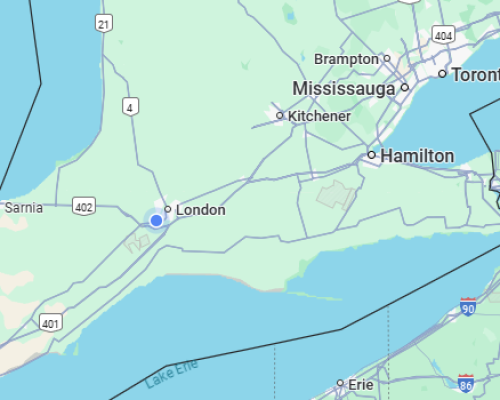
We service docks across Southwestern Ontario and the GTA, including
London •
Ottawa •
Kitchener •
Waterloo •
Cambridge •
Woodstock •
Windsor •
St. Thomas •
Strathroy •
Stratford •
Port Stanley •
Toronto •
Ingersoll.
Clear next step
Book a pilot bay this week. We’ll degrease, hot-water wash, manage runoff, and share QA photos and a seasonal plan—so docks stay clean, safe, and ready.
- Explore the service: Pressure Wash Cleaning Services
- Compare solutions: Commercial Cleaning Services
- Get started now: Request a Quote
How often should we pressure wash loading docks?
Most facilities schedule quarterly washes, with monthly touch-ups for high-throughput docks or winter salt and oil loads.
Do you manage runoff and environmental controls?
Yes. We plan drain protection, capture/filtration as needed, and prevent re-soiling by keeping thresholds dry and protected.
Can you work nights or weekends to avoid disruption?
Absolutely. We stage barriers, detours, and re-open criteria so delivery windows and shifts continue safely.
What surfaces and equipment do you cover around docks?
Approaches, aprons, bays, bumpers, levelers, thresholds, dumpster pads, stairs, rails, walls, bollards, and signage—per your site map.
How do you prove results to our safety committee?
Time-stamped before/after photos, checklists, and a simple scorecard with actions and seasonal recommendations.