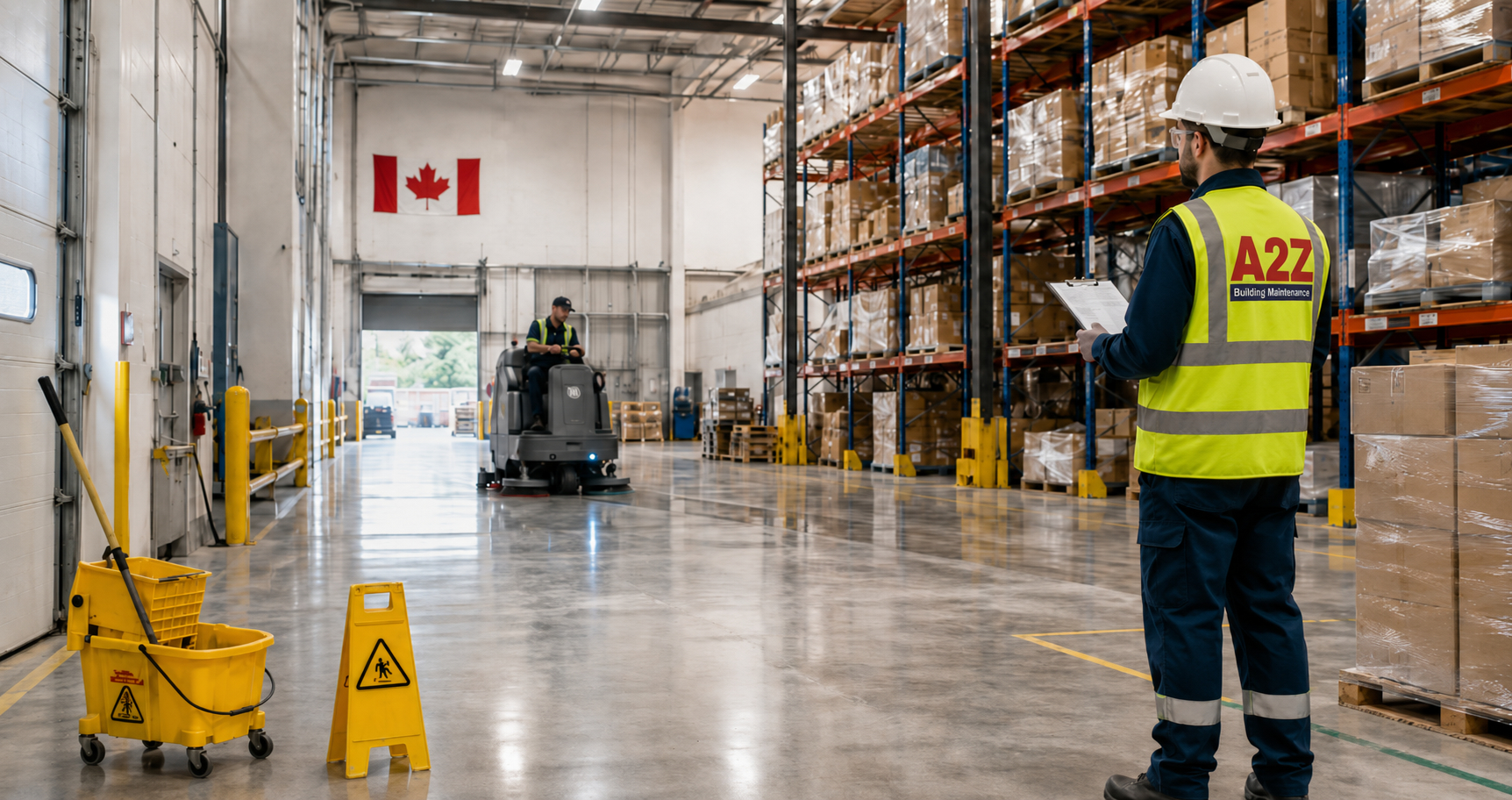
Warehouse Cleaning Checklist for Safer Ontario Facilities
Warehouses can look fully operational while hidden cleaning problems slowly increase risk. Dust collects on racking, debris builds up near loading areas, grease marks spread across industrial floors, and clutter begins to affect safe movement. For facility managers and warehouse managers in Ontario, a practical warehouse cleaning checklist is not just about appearance. It is a tool for safer workflows, better inspection readiness, equipment protection, and more consistent facility standards.
A structured checklist helps teams know what to clean, what to inspect, and when routine cleaning is no longer enough. It also supports better communication between in-house staff, supervisors, and professional cleaning partners. For businesses in London, Ontario and across the province, the goal is simple: reduce avoidable hazards before they disrupt operations.
Why a Warehouse Cleaning Checklist Matters
A warehouse is a fast-moving environment. Forklifts, pallet jacks, foot traffic, deliveries, production-adjacent work, packaging waste, and exterior grime all create cleaning challenges that standard office routines cannot solve. Without a checklist, important areas are often missed because they are above eye level, behind equipment, under racking, or outside the normal traffic path.
A well-planned checklist helps support:
- Safety: Cleaner floors, clearer aisles, and faster spill response reduce slip, trip, and obstruction risks.
- Workflow: Organized and clean zones help staff move products, equipment, and materials more efficiently.
- Inspection readiness: Routine documentation makes it easier to prepare for internal reviews, customer visits, and safety checks.
- Equipment protection: Dust, debris, and grease buildup can affect machinery, storage systems, doors, and floor surfaces.
- Business continuity: A cleaner facility reduces preventable disruptions caused by blocked access, neglected spills, or unmanaged waste.
For many facilities, warehouse cleaning should be part of a broader commercial cleaning services program that aligns daily cleaning, periodic deep cleaning, and specialty industrial cleaning needs.
Warehouse Cleaning Checklist for Daily and Weekly Priorities
The best checklist starts with the areas that affect safety and movement most often. These zones should be reviewed daily or several times per week depending on facility size, traffic volume, and operational risk.
1. Floors and High-Traffic Zones
Warehouse floors carry the most operational pressure. Dust, packaging fragments, pallet debris, liquids, and tire marks can quickly affect safety and presentation.
- Sweep high-traffic aisles and pedestrian walkways.
- Remove loose debris near storage racks and equipment areas.
- Inspect for wet spots, grease, oil, or residue.
- Check floor markings, safety lines, and crossing zones for visibility.
- Schedule machine scrubbing or deeper deep cleaning services when soil buildup cannot be removed by routine cleaning.
2. Loading Docks and Receiving Areas
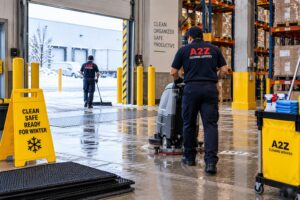
Loading docks often collect the heaviest grime because they are exposed to weather, vehicle traffic, pallets, packaging, dust, and exterior debris. These areas should be inspected frequently because they directly affect receiving, shipping, and staff safety.
- Clear broken pallet pieces, shrink wrap, cardboard, and loose packaging.
- Clean around dock doors, bumpers, thresholds, and staging areas.
- Check for mud, salt, oil marks, and residue from trucks.
- Keep drains, corners, and exterior-adjacent areas free from buildup.
- Use professional pressure washing services when loading dock grime, stains, or exterior buildup require stronger cleaning methods.
For more detail on this area, facility managers may also find this guide to pressure washing loading docks useful when planning exterior-adjacent cleaning.
3. Dust-Prone Surfaces, Racking, and Overhead Areas
Dust is easy to ignore until it becomes visible on inventory, packaging, vents, beams, lighting, or racking systems. In warehouses, dust control supports air quality, product presentation, and equipment care.
- Inspect racking beams, shelf surfaces, and top levels.
- Clean dust from ledges, vents, fans, and hard-to-reach surfaces.
- Check packaging storage areas for loose particles and debris.
- Review production-adjacent zones where dust can migrate into storage areas.
- Schedule periodic high-dusting where safe access and proper equipment are required.
4. Spill and Grease Control
Spills should never wait for the next scheduled cleaning shift. Any liquid, grease, oil, or chemical residue can create immediate risk for staff and equipment movement.
- Identify spill response stations and confirm supplies are available.
- Clean spills immediately and mark the area until it is safe.
- Document repeated spill locations to identify operational causes.
- Inspect machinery zones, dock areas, maintenance corners, and waste handling areas.
- Escalate recurring grease or residue issues to a professional industrial cleaning plan.
5. Waste, Clutter, and Obstruction Management
Clutter can become a safety issue before it becomes a cleaning issue. A good checklist should include what must be removed, where items belong, and which areas must remain clear.
- Keep emergency exits, fire equipment, and electrical panels accessible.
- Remove unnecessary pallets, wrap, cartons, and loose materials.
- Check that waste bins are not overflowing.
- Separate recyclable, general, and operational waste where applicable.
- Keep pedestrian routes and forklift paths clear.
6. Washrooms, Break Rooms, and Staff Areas
Warehouse cleaning is not limited to operational floors. Shared staff areas affect morale, hygiene, and the overall condition of the facility.
- Clean and disinfect washrooms regularly.
- Restock soap, paper products, and hand hygiene supplies.
- Clean tables, counters, touchpoints, lockers, and break room surfaces.
- Remove food waste and check for odour issues.
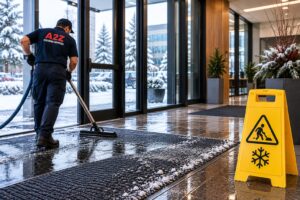
- Inspect entrances between staff areas and warehouse zones for tracked-in debris.
Warning Signs Your Warehouse Needs More Than Routine Cleaning
Routine cleaning is important, but some signs show that a facility needs deeper or more specialized support. Facility managers should pay attention when:
- Dust returns quickly after standard cleaning.
- Floors remain dull, sticky, stained, or slippery.
- Loading docks show heavy grime, salt, oil, or tire buildup.
- Staff report odours, air quality concerns, or recurring debris.
- Racking, overhead surfaces, or equipment areas have visible buildup.
- Cleaning tasks are being skipped because staff lack time, training, or equipment.
When these signs appear, it may be time to review your approach to industrial cleaning services so the facility receives the right level of cleaning for its operational demands.
Common Warehouse Cleaning Mistakes to Avoid
Many cleaning issues come from unclear responsibility rather than lack of effort. A checklist helps reduce confusion, but managers should still avoid several common mistakes.
- Only cleaning visible areas: High surfaces, corners, under-rack areas, and dock edges often hold the most buildup.
- Using office cleaning routines in industrial spaces: Warehouses need cleaning methods suited to floors, equipment zones, dust, residue, and loading areas.
- Ignoring recurring problem areas: If the same aisle, dock, or machine area keeps getting dirty, the root cause should be reviewed.
- Waiting until inspections are near: Inspection readiness is easier when cleaning is consistent, not rushed.
- Overloading in-house teams: Staff may handle daily tidying well, but deep floor care, high dusting, and industrial residue often require specialized support.
When Professional Industrial Cleaning Support Makes Sense
In-house teams can handle many daily tasks, especially clutter control, basic sweeping, spill response, and waste removal. Professional support becomes more appropriate when the facility needs specialized equipment, trained cleaning crews, after-hours scheduling, high-area access, floor scrubbing, pressure washing, or deeper cleaning around operational zones.
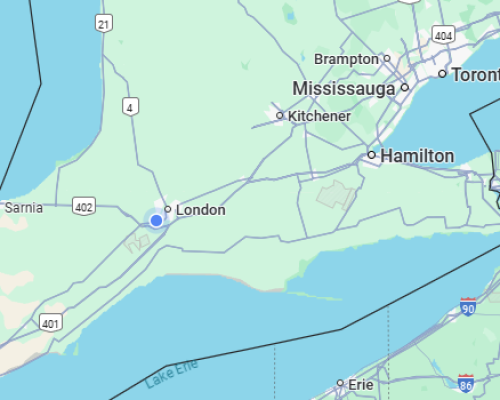
For businesses in London and surrounding areas, working with a local provider can also make planning easier. A2Z supports commercial and industrial facilities through its London, Ontario service area, helping businesses build cleaning programs that fit their workflow, site conditions, and safety priorities.
Managers who want to compare checklist-based cleaning with broader safety procedures may also review this article on industrial cleaning protocols in Ontario for additional planning context.
Conclusion: Build a Safer Facility with a Practical Checklist
A warehouse cleaning checklist gives facility managers a clear way to reduce hazards, control dust, improve workflow safety, protect equipment, and maintain consistent standards. It turns cleaning from a reactive task into a practical part of daily operations.
If your warehouse floors, loading docks, racking systems, staff areas, or industrial zones need more structure and consistency, A2Z Building Maintenance can help you create a cleaning plan that supports safer operations and a more reliable facility environment.
Frequently Asked Questions
How often should a warehouse cleaning checklist be completed?
High-traffic zones, spills, waste areas, and loading docks should be checked daily. Deeper tasks such as floor scrubbing, high dusting, and detailed racking area cleaning may be scheduled weekly, monthly, or seasonally depending on facility use.
What areas are most commonly missed during warehouse cleaning?
Commonly missed areas include upper racking, dock edges, under pallets, behind equipment, floor corners, vents, staff entrances, and exterior-adjacent areas where salt, mud, and debris are tracked inside.
When does a warehouse need professional industrial cleaning?
Professional industrial cleaning is recommended when routine cleaning cannot remove dust buildup, grease, floor residue, dock grime, overhead dust, or recurring problem areas. It is also useful when specialized equipment, trained crews, or after-hours scheduling are needed.
Why are loading docks important in a warehouse cleaning plan?
Loading docks collect dirt, oil, salt, packaging waste, and exterior debris. Keeping them clean helps reduce slip risks, improves receiving and shipping flow, and supports a safer transition between outdoor and indoor work areas.