If cleaning stops production or creates new risks, it isn’t working. Facilities managers across Ontario need industrial cleaning that protects people, equipment, and uptime—not a generic “wipe and mop.” At A2Z Building Maintenance, we design SOP-driven protocols for plants, warehouses, and logistics hubs that align with your safety program, support KPIs, and deliver photo-verified QA so you can prove compliance when it counts.
The Stakes: Safety, Uptime, Compliance
In high-traffic, high-energy environments, dust, oils, and debris are more than cosmetic—they are slip, trip, and respiratory hazards that lower overall equipment effectiveness (OEE) and invite corrective actions. Missed details around conveyors, dock plates, battery rooms, or mezzanines can trigger incidents or shutdowns that ripple across the supply chain. What you need is a partner that treats cleaning like a controlled process with measurable outcomes, not a variable expense.
Our Promise: A Process, Not Promises
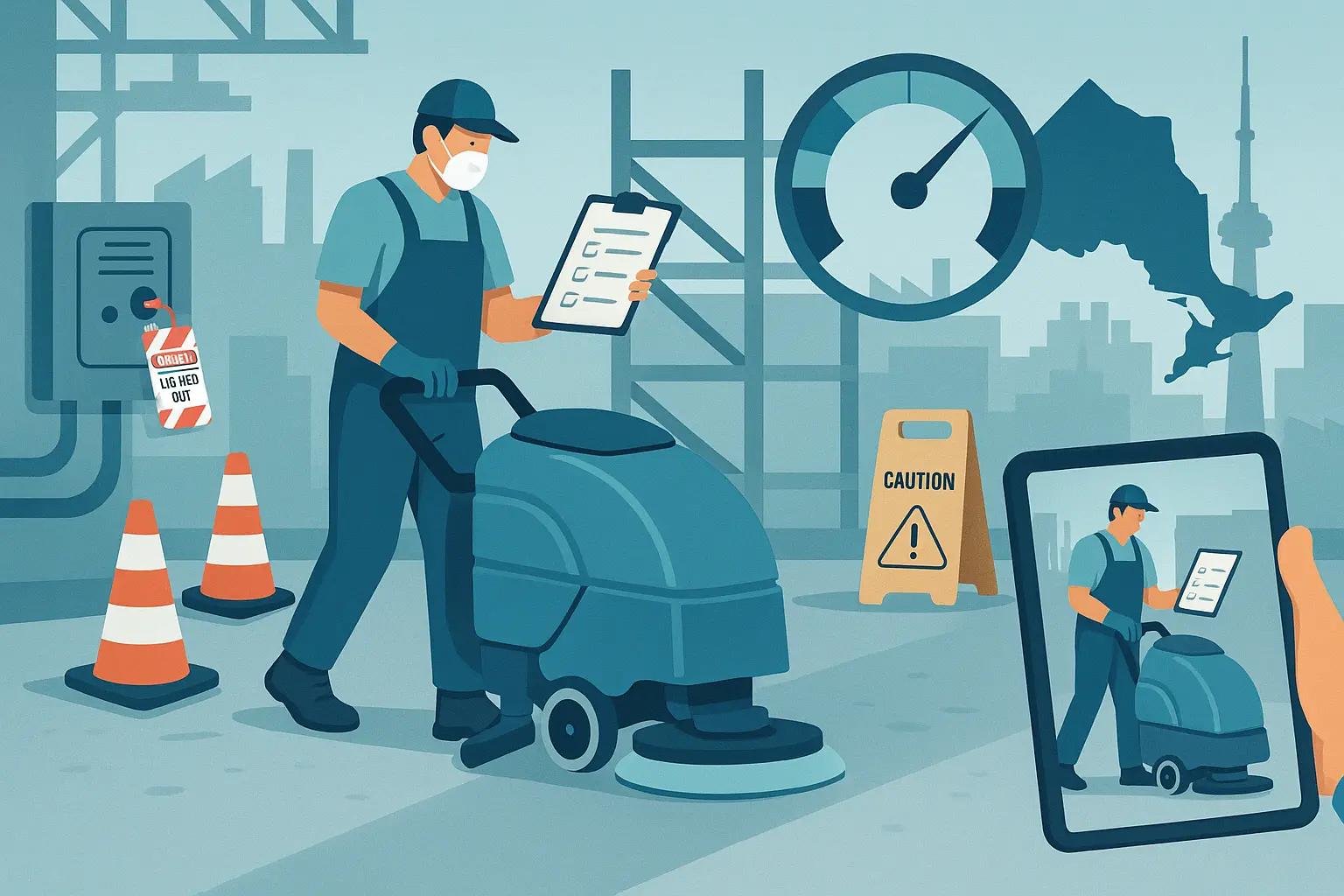
We begin with a Job Hazard Analysis for each zone and task. From there, we write work instructions that technicians can follow blindfolded (but we don’t let them!). Every protocol is built around:
- WHMIS & SDS: On-site SDS binders, dilution logs, chemical compatibility.
- Lockout/Tagout (LOTO): Cleaning steps scheduled and signed off around live energy.
- Confined Space & Working at Heights: Only trained staff assigned; permits logged.
- Equipment Controls: Aerial lifts, floor scrubbers, vacuums with HEPA filtration.
- Colour-Coded Tools: Segregation for food zones, washrooms, battery rooms.
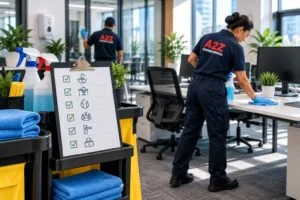
- Photo-Verified QA & Checklists: Before/after images inside each ticket.
- Escalation Paths & SLAs: Timestamps from issue to resolution.
The Plan (StoryBrand-simple)
- Site Walk + Risk Map – We document hazards, traffic, drains, utilities, and PPE.
- Pilot Protocol – One area, fully documented, with photos and baseline QA scores.
- Program Rollout – Shift-aligned schedules that avoid production windows.
- Continuous QA – Monthly audits, leading indicators (near-misses, rework), and quarterly reviews to drive injury-free uptime.
What We Clean—and How We Protect Uptime
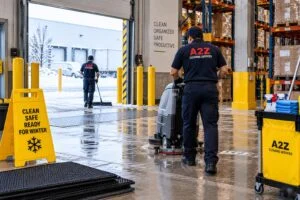
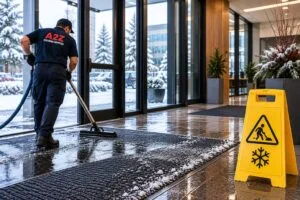
- Warehouse floors & aisles: Machine scrubbing with recovery to keep lanes dry. Where needed, add Pressure Washing for docks and exterior aprons.
- Production lines: Non-corrosive agents, equipment covers, and LOTO-aligned steps to avoid contamination or unintended starts.
- Battery and maintenance rooms: Neutralizer protocols, spill kits, and PPE compliance.
- High dust & mezzanines: HEPA vacuums, fall-arrest systems, and controlled debris collection.
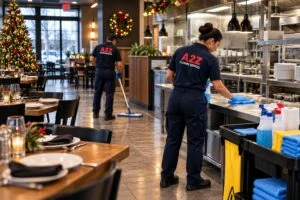
- Food & packaging areas: Colour coding and allergen-aware tools; schedule with QA swabs when required.
- Breakrooms, lockers, washrooms: Segregated tools, disinfecting touchpoints, and Tile & Grout Cleaning to restore surfaces.
- Post-shutdown resets: Turnarounds paired with Deep Cleaning to bring sites back to spec after maintenance or outages.
Need a dust recovery after expansion or retrofit? We combine protocols with Post-Construction Cleaning to cut airborne particulates that trigger sensors and nuisance alarms.
Measurable Outcomes You Can Show
- Incident reduction: Focus on slip/trip metrics and near-miss logs.
- Fewer stoppages: Cleaning windows synchronized to production—no surprises.
- Compliance evidence: Photos, checklists, and sign-offs housed with each ticket.
- Budget control: Clear scope by zone; Time & Materials available for surge work.
Trained People, Accountable Supervisors
All staff pass background checks and site onboarding. Supervisors control access, key logs, and contractor orientations. We align to your badge protocols and deliver cleaning permits when your EHS requires it.
Service Areas Across Ontario
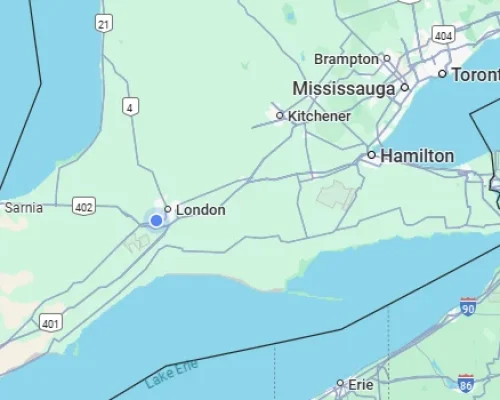
We support industrial facilities across Southwestern Ontario and the GTA, including
London • Kitchener • Waterloo • Cambridge • Woodstock • Windsor • St. Thomas • Strathroy • Stratford • Port Stanley • Toronto • Ingersoll.
Next Step
If you’re ready for safety-first cleaning that respects production, request a pilot. We’ll deliver a documented protocol, QA photos, and a simple scorecard within two weeks.