Residents judge a condo building before they reach their unit door. If the lobby smells stale, elevator tracks are dirty, hallway carpets look worn, or fingerprints cover the glass, confidence in the building can drop quickly.
For condo boards and property managers, common area cleaning is not just about appearances. It affects resident satisfaction, property value, safety, odour control, board complaints, building reputation, and the daily experience of everyone who lives, works, visits, or delivers inside the property.
That is why condo common area cleaning Ontario boards plan should be practical, consistent, and visible. Residents may not always notice when cleaning is done well, but they notice immediately when it is missed.
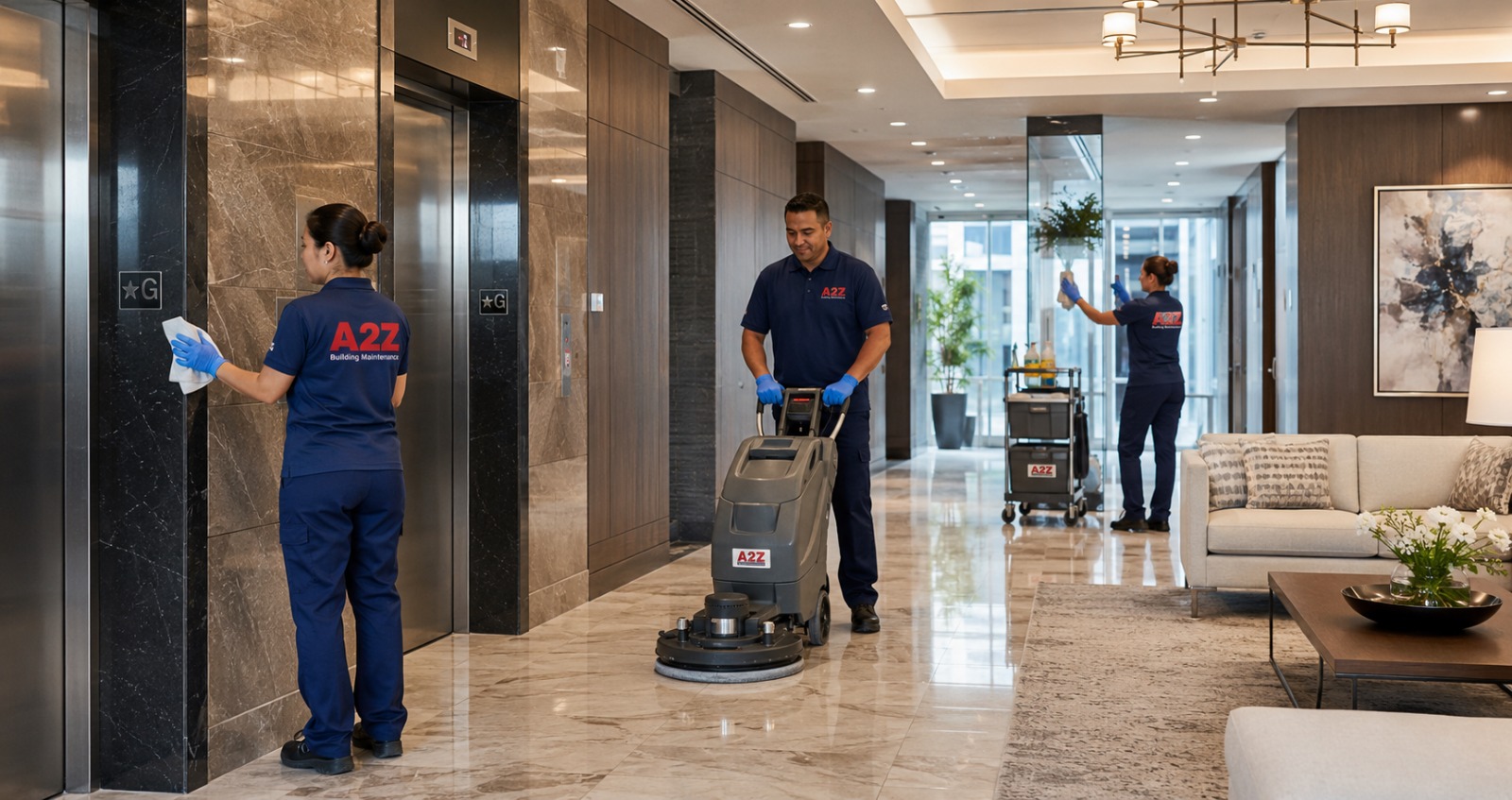
For buildings that need dependable support, professional apartment, condo, and strata building cleaning services can help keep lobbies, elevators, corridors, entrances, amenity rooms, washrooms, and shared spaces clean without placing the full burden on the board or property manager.
Condo Common Area Cleaning Ontario Boards: Why It Matters
Condo common area cleaning Ontario boards invest in should protect the building’s image and daily function. A condo is not cleaned like a private home or a basic office. It has repeated foot traffic, resident expectations, delivery activity, visitors, pets, elevators, garbage rooms, mail areas, parking access points, and shared amenities.
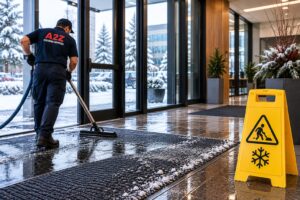
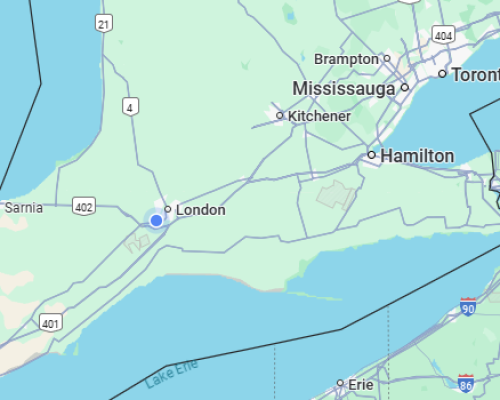
In cities such as London, Kitchener, Waterloo, Cambridge, Windsor, and St. Thomas, Ontario weather adds another layer of difficulty. Summer humidity can make odours more noticeable in garbage rooms, corridors, and enclosed spaces. Fall brings leaves and damp entryways. Winter brings salt, slush, snow, and wet boots into lobbies, elevator areas, and hallway carpets.
The external problem is easy to see: dirty glass, dull lobby floors, dusty baseboards, scuffed elevators, hallway debris, stained carpets, and odours near garbage or pet-friendly zones. The internal frustration is just as real. Board members may feel embarrassed during owner meetings, property managers may receive repeated complaints, and residents may wonder whether maintenance fees are being used wisely.
The stakes of inaction can be significant. Poor common area cleaning can reduce resident confidence, increase complaints, create safety concerns, make the building feel neglected, and affect how visitors, buyers, tenants, and real estate agents perceive the property.
What Areas Should Condo Boards Prioritize First?
The highest-priority areas are the spaces residents and visitors see or touch most often. These include the main entrance, lobby, elevators, mailroom, hallways, stairwells, amenity rooms, washrooms, garbage rooms, parking entrances, and vestibules.
First impressions matter most at the entrance. A clean lobby, fresh-smelling vestibule, clear glass, maintained floors, and tidy mail area can make the whole building feel better managed. If the entrance looks neglected, residents may assume the rest of the building is also being overlooked.
Elevators are another major complaint area. Fingerprints, dusty panels, dirty tracks, scuffed walls, unpleasant odours, and sticky floors are noticed daily. Since every resident uses elevators repeatedly, even small cleaning issues become visible fast.
Hallways also shape resident satisfaction. Carpets, baseboards, door frames, light switches, garbage chute rooms, and corners can slowly collect dust, debris, pet hair, and odours. Without a clear cleaning schedule, these areas can decline gradually until complaints become routine.
Daily, Weekly, and Seasonal Condo Cleaning Checklist
A clear checklist helps condo boards and property managers set expectations with a cleaning provider. It also makes it easier to compare cleaning quotes because each company can respond to the same scope instead of guessing what the building needs.
| Common Area | Daily or Frequent Cleaning Focus | Weekly or Seasonal Focus |
|---|---|---|
| Main entrance and lobby | Clean glass, doors, handles, floors, mats, reception surfaces, seating, and visible debris. | Detail baseboards, corners, lobby furniture, interior glass, floor edges, and seasonal salt residue. |
| Elevators | Clean buttons, panels, mirrors, doors, tracks, floors, handrails, and fingerprints. | Detail elevator grooves, walls, thresholds, stainless surfaces, corners, and odour-prone areas. |
| Hallways and corridors | Vacuum or clean floors, remove debris, spot clean walls, and maintain visible touchpoints. | Deep clean carpets, baseboards, door frames, vents, corners, and wall marks. |
| Stairwells | Remove debris, clean railings, landings, doors, handles, and high-use steps. | Detail corners, walls, floor edges, dust buildup, and seasonal tracking from parking areas. |
| Garbage and recycling rooms | Remove visible debris, clean touchpoints, maintain floors, and monitor odour-prone areas. | Deep clean floors, walls near bins, doors, handles, drains, and odour sources. |
| Amenity rooms | Clean tables, counters, chairs, floors, touchpoints, kitchens, washrooms, and garbage areas. | Detail furniture, appliances, cabinets, baseboards, windows, carpets, and event-related buildup. |
| Parking entrances and vestibules | Remove salt, dirt, slush, leaves, debris, and visible tracking near doors. | Schedule floor scrubbing, mat cleaning, pressure washing, and seasonal entrance recovery. |
This checklist should be adapted to each building. A high-rise condo in downtown London, a mid-rise near Masonville, a newer property in Kitchener-Waterloo, or a smaller building in St. Thomas may all need different cleaning frequency, staffing, and seasonal planning.
How Often Should Condo Common Areas Be Cleaned?
Most condo common areas need cleaning several times per week, and high-traffic buildings may need daily service. The right frequency depends on building size, number of units, elevator use, pets, amenity spaces, garbage room activity, visitor traffic, and weather conditions.
During summer, boards may need extra attention on odour control, garbage rooms, amenity spaces, glass, and floors. During winter, entrances, lobbies, elevators, and corridors usually need more frequent cleaning because of salt, slush, wet boots, and mat saturation.
A small building with limited traffic may not need the same schedule as a large tower with multiple elevators, visitor parking, amenity rooms, and daily deliveries. However, both buildings need consistency. Residents become frustrated when cleaning feels random or reactive.
A good cleaning plan separates routine cleaning from periodic deep cleaning. Routine cleaning keeps the building presentable day to day. Deep cleaning addresses buildup in carpets, floor edges, elevator tracks, garbage rooms, baseboards, amenity rooms, glass, and seasonal problem areas.
Why Summer and Early Fall Are Smart Times for Condo Deep Cleaning
Summer and early fall are strong times for condo boards to review common area cleaning. Warm weather can make odours more noticeable in garbage rooms, hallways, elevators, and enclosed amenity areas. More residents may also use shared spaces, patios, fitness rooms, party rooms, and visitor areas.
Before winter arrives, boards can also prepare entrance areas, mats, lobby floors, carpets, and elevator zones for salt and slush. Waiting until January often means the damage and complaints have already started.
Seasonal deep cleaning may include lobby floor care, carpet cleaning, elevator detailing, glass cleaning, garbage room deep cleaning, stairwell cleaning, amenity room detailing, and pressure washing near parking or entrance areas.
For condo boards in London and Southwestern Ontario, early preparation helps avoid the same winter pattern: salt enters through the doors, gets tracked into elevators and hallways, residents complain, and the board ends up reacting instead of following a plan.
This is where A2Z Cleaning Services becomes the guide. As a LIUNA Local 1059 member commercial cleaning and janitorial company with trained bonded staff and a local Southwestern Ontario presence, A2Z understands the practical cleaning challenges condo boards and property managers face across Ontario seasons.
A Simple 3-Step Plan for Cleaner Condo Common Areas
If your condo cleaning process feels inconsistent, start with a simple plan. The goal is to make expectations clear, improve the resident experience, and reduce repeated complaints.
1. Walk the building like a resident
Start at the main entrance and walk through the property the way a resident or visitor would. Look at the lobby, elevators, mailroom, hallways, stairwells, amenity rooms, garbage rooms, parking entrances, and exterior door areas.
Notice what residents see every day: fingerprints, odours, dust, dull floors, stains, debris, wall marks, elevator tracks, and corners that have been missed for too long.
2. Separate daily cleaning from seasonal deep cleaning
Daily or frequent cleaning should handle visible use: floors, garbage, touchpoints, glass, elevators, lobbies, and washrooms. Seasonal deep cleaning should handle buildup, odours, carpet soil, floor finish, garbage room residue, elevator detailing, and winter salt preparation.
This distinction helps boards avoid expecting routine cleaners to solve deep maintenance problems without the right time, tools, or scope.
3. Put the building scope in writing
A written scope should list every area, task, frequency, supply responsibility, access instruction, reporting process, and quality check. This protects both the board and the cleaning provider because everyone knows what is included.
If your condo building needs a clearer common area cleaning plan before winter traffic increases, Request your free quote.
How to Compare Condo Cleaning Company Quotes
When comparing cleaning company quotes, do not look only at the monthly price. Condo cleaning quotes should be compared by task detail, frequency, staffing, supervision, seasonal planning, and communication process.
Ask each provider what is included daily, weekly, monthly, and seasonally. Ask about lobbies, elevators, hallways, stairwells, garbage rooms, amenity rooms, washrooms, parking entrances, carpets, mats, glass, and floor care.
Boards should also ask how complaints are handled. If residents report odour, dust, dirty elevators, salt buildup, or missed areas, there should be a clear process for inspection, correction, and communication with the property manager.
If you are still evaluating providers, this related reading may help: how to choose a commercial cleaning company in London, Ontario.
For properties that need reliable recurring service, professional janitorial services can help keep common areas consistent while seasonal deep cleaning is scheduled around resident needs and board priorities.
What Success Looks Like for Residents and Property Managers
Success looks like a condo building that feels cared for every day. The lobby is clean before residents leave for work. Elevators are free from fingerprints and debris. Hallways feel fresh. Garbage rooms are managed. Amenity spaces are ready to use. Residents stop noticing cleaning for the wrong reasons.
For property managers, success means fewer repeated complaints, clearer vendor expectations, and less time spent chasing the same issues. For boards, it means residents can see value in the maintenance plan and feel more confident about the building’s condition.
Failure looks different. Complaints increase. Cleaning becomes a recurring board meeting topic. Lobbies look tired. Elevators smell stale. Hallways collect dust and pet hair. Winter salt stains become normal. The building feels less valuable than it should.
Condo common area cleaning Ontario boards manage should be viewed as a property value and resident experience investment. Cleanliness does not solve every building issue, but it supports trust, comfort, and pride of ownership.
When the plan is right, common areas feel cleaner, residents feel heard, and the building presents itself with confidence.
FAQ
How often should condo common areas be cleaned?
Most condo common areas should be cleaned several times per week, and high-traffic buildings may need daily service. Frequency depends on unit count, elevators, pets, visitors, garbage rooms, amenity spaces, and weather. Lobbies, elevators, washrooms, and entrances usually need the most consistent attention.
What condo areas generate the most cleaning complaints?
The most common complaint areas are lobbies, elevators, hallways, garbage rooms, amenity spaces, washrooms, stairwells, and parking entrances. Residents notice fingerprints, odours, salt stains, dusty baseboards, dirty elevator tracks, carpet debris, and garbage room mess quickly because they use these areas every day.
Is summer a good time for condo deep cleaning?
Yes. Summer is a good time for condo deep cleaning because warm weather can make odours more noticeable and shared spaces are often used more often. It is also a smart time to clean lobbies, carpets, elevators, garbage rooms, and entrance areas before fall rain and winter salt arrive.
How should a condo board compare cleaning quotes?
A condo board should compare cleaning quotes by written scope, not only price. Confirm what is included daily, weekly, monthly, and seasonally. Ask about elevators, lobbies, hallways, garbage rooms, amenity spaces, carpets, floor care, supplies, supervision, complaint handling, and winter salt preparation.