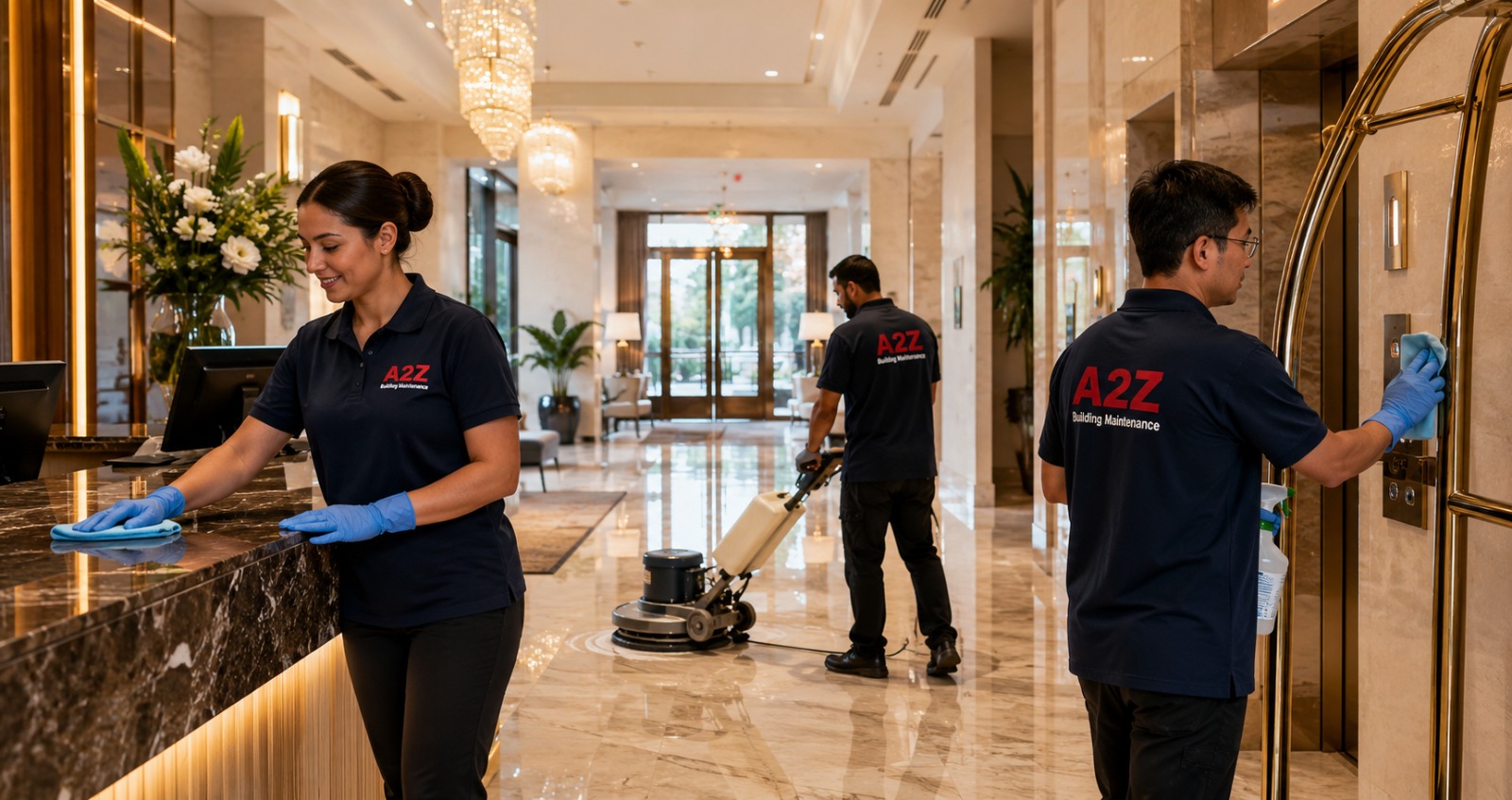
Guests notice cleanliness before they notice your amenities, your décor, or even your service. If the lobby smells stale, the washroom feels neglected, the elevator looks marked up, or a hallway carpet looks tired, the guest experience starts with doubt.
For hotels, motels, inns, short-stay properties, conference venues, and hospitality buildings, cleaning is not just a maintenance task. It affects reviews, repeat bookings, staff confidence, brand reputation, safety, odour control, and the way guests describe your property after checkout.
That is why hotel cleaning standards Ontario hospitality teams follow must be consistent, visible, and practical. A guest may never ask who cleaned the lobby, but they will remember when it felt dirty.
For properties that need dependable support, professional hotel and hospitality cleaning services can help keep lobbies, corridors, public washrooms, elevators, event spaces, staff areas, and high-traffic zones ready for guests without placing the full burden on front-desk or operations staff.
Hotel Cleaning Standards Ontario Guests Notice Immediately
Hotel cleaning standards Ontario properties rely on should reflect how quickly guests form opinions. Cleanliness is often judged within the first few minutes: parking lot approach, entrance glass, lobby floors, front desk, scent, elevators, washrooms, hallway carpets, and visible corners.
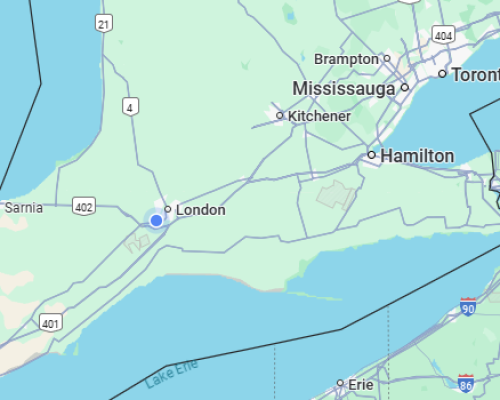
In Southwestern Ontario, seasonality matters. Summer travel, weddings, conferences, theatre tourism, sports tournaments, and weekend stays can increase traffic in lobbies, elevators, banquet spaces, and public washrooms. In Stratford, hotel cleanliness can shape the experience of guests visiting for theatre and local events. In London, Ontario, hotels near downtown, hospitals, universities, business parks, and event venues often see a mix of corporate, medical, family, and leisure guests.
The external problem is easy to see: fingerprints, carpet stains, dusty corners, washroom odours, elevator marks, lobby debris, and high-touch surfaces that are used all day. The internal frustration is more serious. Managers worry about online reviews, guest complaints, staff workload, brand standards, and whether cleaning issues are hurting revenue.
The stakes of inaction are significant. A single cleanliness complaint can influence future bookings, especially when guests share photos or mention odours, bathrooms, floors, or common areas in public reviews. A hotel may have a good location and friendly staff, but poor cleaning can weaken the entire guest experience.
What Areas Shape a Hotel Guest’s First Impression?
The most important guest-facing areas are the spaces people see before reaching their room. These include entrances, vestibules, front desk areas, lobby seating, elevators, corridors, public washrooms, breakfast areas, meeting rooms, fitness rooms, and event spaces.
The lobby carries the biggest first-impression weight. Guests expect clean floors, clear glass, fresh seating, tidy tables, managed waste bins, dust-free surfaces, and an odour-free environment. If the lobby feels neglected, guests may question the condition of the rest of the property.
Elevators are another high-impact area. Guests notice fingerprints, dirty tracks, scratched panels, spills, floor debris, and stale smells because elevators are small enclosed spaces. Even a short ride can shape the guest’s confidence in the property.
Public washrooms also matter. Clean fixtures, stocked dispensers, fresh floors, dry counters, odour control, and detailed corners can influence how guests judge the overall operation. A neglected lobby washroom can damage trust faster than almost any other common area.
Daily, Weekly, and Seasonal Hotel Cleaning Checklist
A practical checklist helps hotel managers, operations teams, and property owners keep common areas consistent. It also makes it easier to compare cleaning company quotes because every provider can respond to the same expectations.
| Hotel Area | Daily or Frequent Cleaning Focus | Weekly or Seasonal Focus |
|---|---|---|
| Entrance and lobby | Clean doors, glass, handles, floors, mats, seating, tables, front desk surfaces, and visible debris. | Detail baseboards, upholstery, corners, interior glass, floor edges, mats, and seasonal salt or dust buildup. |
| Elevators | Clean buttons, panels, mirrors, doors, tracks, floors, handrails, and fingerprints. | Detail grooves, thresholds, stainless surfaces, wall marks, corners, and odour-prone areas. |
| Corridors and hallways | Vacuum carpets, remove debris, spot clean walls, clean touchpoints, and monitor odours. | Deep clean carpets, baseboards, door frames, vents, corners, and high-traffic carpet lanes. |
| Public washrooms | Clean toilets, sinks, counters, mirrors, dispensers, partitions, floors, doors, and waste bins. | Address grout, drains, odours, fixture buildup, partitions, floor edges, and detailed wall cleaning. |
| Breakfast and dining areas | Clean tables, chairs, counters, floors, appliance exteriors, touchpoints, garbage, and spills. | Detail cabinet faces, walls near food areas, baseboards, chair legs, vents, and odour-prone corners. |
| Meeting and event spaces | Reset floors, tables, chairs, garbage, touchpoints, doors, and visible marks after use. | Deep clean carpets, upholstery, partitions, glass, baseboards, corners, and post-event buildup. |
| Fitness rooms and guest amenities | Clean equipment touchpoints, mirrors, floors, mats, counters, doors, and garbage. | Detail equipment bases, floor edges, vents, walls, odour zones, and high-touch shared surfaces. |
This checklist should be adapted to the property. A boutique inn, roadside motel, downtown business hotel, extended-stay property, event venue, or hospitality building in Stratford, London, Kitchener, Waterloo, Cambridge, or Windsor may all need different cleaning frequency and staffing.
How Do Clean Common Areas Improve Hotel Reviews?
Clean common areas improve hotel reviews because guests use them as proof of how the property is managed. Even when rooms are handled by housekeeping, guests still judge the entire brand by lobbies, elevators, corridors, washrooms, breakfast areas, and event spaces.
A guest walking into a fresh lobby feels reassured. A guest entering a clean elevator feels the property pays attention. A guest using a spotless public washroom feels more comfortable recommending the hotel. These small moments build trust before staff ever ask for a review.
The opposite also happens. A dirty elevator, stained hallway carpet, dusty lobby, or unpleasant washroom odour can become the detail a guest remembers most. Many hospitality complaints are not about one large failure, but a series of small cleanliness signals that suggest the property is not being cared for properly.
Hotel cleaning standards Ontario managers use should therefore focus on consistency. Last-minute cleaning before a busy weekend is not enough. Guests arrive throughout the day, and every arrival deserves a clean first impression.
Why Summer Is a Critical Season for Hotel Cleaning
Summer is one of the most important seasons for hospitality cleaning in Ontario. Guest traffic can increase because of weddings, festivals, conferences, sports tournaments, road trips, family visits, and local tourism. More people means more fingerprints, washroom use, floor debris, spills, odours, and garbage.
Warm weather can also make odours more noticeable. Lobbies, elevators, public washrooms, garbage areas, fitness rooms, and breakfast spaces may need extra attention during humid weeks. If odour problems already exist, summer often makes them harder to ignore.
In Stratford, theatre tourism and weekend travel can place extra pressure on hotels, inns, and hospitality venues. In London, properties serving hospitals, Western University, Fanshawe College, business visitors, weddings, tournaments, and downtown events may experience traffic patterns that change week by week.
Summer is also the right time to prepare for fall and winter. Before salt, slush, and wet boots arrive, hotel teams can review matting, entrance floor care, corridor carpets, lobby finishes, elevator maintenance, and seasonal deep cleaning needs.
A2Z Cleaning Services becomes the guide here because hotel managers should not have to fight cleanliness issues alone during peak season. As a LIUNA Local 1059 member commercial cleaning and janitorial company with trained bonded staff and a local Southwestern Ontario presence, A2Z understands the pressure hospitality teams face when reviews, guest expectations, and operational schedules all matter at once.
A Simple 3-Step Plan for Better Hotel Cleaning Standards
If your current cleaning process feels reactive, start with a simple plan. The goal is to protect guest experience, reduce complaints, and support your staff with a cleaning scope that matches real traffic.
1. Walk the property like a first-time guest
Start outside the entrance and follow the guest journey. Look at the doors, glass, lobby, front desk, seating, elevators, corridors, public washrooms, breakfast area, meeting spaces, fitness room, and any high-use amenity areas.
Notice what a tired guest would notice after a long drive. Smells, fingerprints, floor debris, stains, dust, dull surfaces, and overflowing bins can all affect the first impression.
2. Separate housekeeping from common area cleaning
Housekeeping teams often focus on guest rooms, linens, turnover, amenities, and room readiness. Common area cleaning requires a different rhythm because these spaces are used continuously by guests, staff, vendors, and visitors.
A clear plan should define which team handles lobbies, elevators, corridors, washrooms, meeting rooms, breakfast areas, fitness rooms, staff spaces, and public touchpoints. This prevents gaps and avoids assuming that “someone else” is handling the problem.
3. Put guest-facing standards in writing
A written scope should list the areas, tasks, frequencies, products, access instructions, reporting process, and quality checks. It should also include seasonal adjustments for summer humidity, event traffic, winter salt, and high-occupancy periods.
If your hotel or hospitality property needs a stronger common area cleaning plan before the next busy season, Request your free quote.
How to Compare Hotel Cleaning Company Quotes
When comparing cleaning providers, do not choose only by the lowest price. Hospitality cleaning should be evaluated by scope, reliability, after-hours availability, staffing, supervision, communication, and experience with guest-facing facilities.
Ask each provider what is included daily, weekly, monthly, and seasonally. Ask about lobbies, elevators, corridors, public washrooms, meeting rooms, breakfast areas, fitness rooms, carpets, glass, garbage areas, floor care, and touchpoint disinfection.
You should also ask how the provider handles urgent issues. Hotels can change quickly: a spill after an event, a busy check-in period, a washroom complaint, a full breakfast room, or a high-traffic weekend can all require fast adjustment.
If you are still evaluating providers, this related reading may help: how to choose a commercial cleaning company in London, Ontario.
For properties that need consistent daily support, professional janitorial services can help maintain public spaces while deeper hospitality cleaning is scheduled around guest traffic, events, and seasonal demand.
What Success Looks Like for Guests and Hotel Teams
Success looks like a hotel that feels ready before every arrival. The entrance glass is clear. The lobby smells fresh. Elevators are clean. Hallways are vacuumed. Public washrooms are stocked and detailed. Breakfast areas are reset. Meeting spaces feel prepared. Staff are not apologizing for preventable cleaning issues.
Guests feel more confident in the property. Managers receive fewer avoidable complaints. Staff can focus on service instead of reacting to messes. The brand feels more consistent from the front door to checkout.
Failure looks different. Guests mention odours. Elevators look marked up. Public washrooms create complaints. Hallway carpets look tired. Reviews begin to mention cleanliness. Repeat bookings become harder to earn.
Hotel cleaning standards Ontario properties follow should be viewed as part of guest experience, not just facility maintenance. Cleanliness does not replace warm service, comfortable rooms, or good management, but it supports all of them.
When the plan is right, guests feel welcome, staff feel supported, and your property earns the kind of cleanliness confidence that leads to better reviews.
FAQ
What hotel areas should be cleaned most often?
The highest-priority hotel areas are entrances, lobbies, elevators, public washrooms, corridors, breakfast areas, meeting rooms, fitness rooms, and other guest-facing spaces. These areas shape first impressions and receive constant traffic, so they usually need daily or frequent cleaning supported by periodic deep cleaning.
How do cleaning standards affect hotel reviews?
Guests often mention cleanliness when reviewing hotels because it affects trust and comfort. Clean lobbies, elevators, washrooms, hallways, and breakfast areas reassure guests that the property is well managed. Dirty common areas can create doubt, even when rooms, staff, or location are otherwise strong.
Is summer a good time for hotel deep cleaning?
Yes. Summer is a strong time for hotel deep cleaning in Ontario because guest traffic, humidity, events, and tourism can increase cleaning pressure. It is also a practical time to refresh lobbies, corridors, washrooms, carpets, and amenity spaces before fall schedules and winter salt arrive.
How should hotels compare cleaning company quotes?
Hotels should compare cleaning quotes by written scope, frequency, staffing, supervision, communication, and seasonal planning. Ask what is included for lobbies, elevators, corridors, public washrooms, breakfast areas, event spaces, fitness rooms, carpets, glass, floor care, supplies, touchpoints, and urgent cleaning needs.