Your members judge cleanliness before they finish their first workout. If the entrance smells stale, the locker room feels damp, or equipment looks sticky, they may start questioning the entire facility.
For gyms, fitness studios, recreation centres, yoga spaces, martial arts schools, and health clubs, cleaning is not just a background task. It affects member retention, staff pride, odour control, safety, brand reputation, and the daily comfort of everyone using the space.
That is why gym fitness facility cleaning London Ontario matters so much for owners, managers, franchise operators, condo boards, and recreation facility teams. Your members are touching shared surfaces, sweating on equipment, moving across floors, using washrooms, and expecting the space to feel fresh every time they arrive.
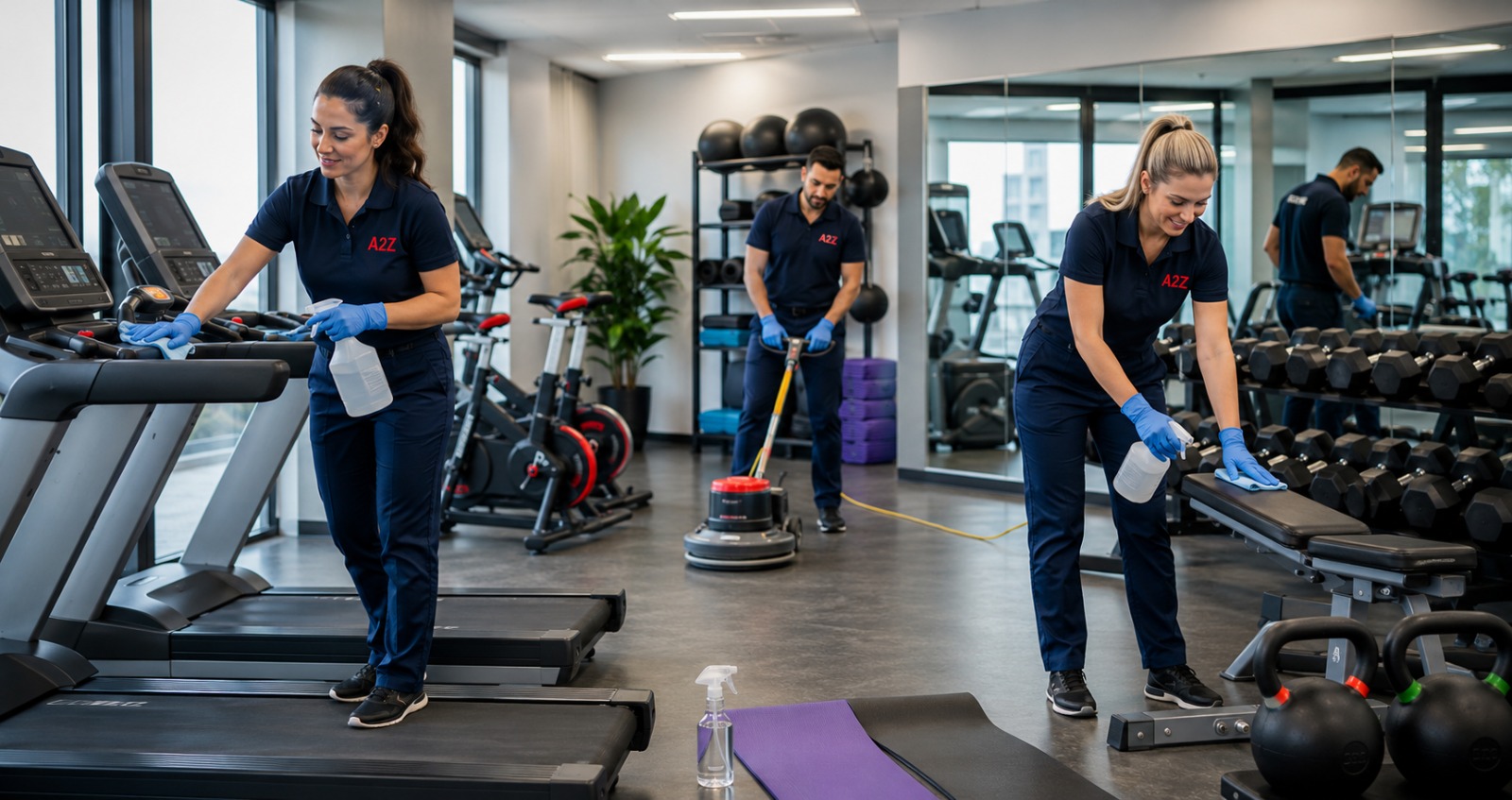
For facilities that need a consistent plan, professional recreational and leisure facility cleaning services can help keep workout areas, locker rooms, washrooms, floors, mirrors, entrances, and high-touch surfaces maintained without overwhelming your staff.
Gym Fitness Facility Cleaning London Ontario: Why It Matters
Gym fitness facility cleaning London Ontario is important because fitness spaces combine sweat, shared equipment, humidity, heavy foot traffic, rubber flooring, mirrors, showers, washrooms, and frequent touchpoints. A standard office cleaning plan is not enough for a facility where members move from one station to another all day.
In London, Ontario, seasonal conditions make the challenge even bigger. Summer heat and humidity can make odours more noticeable in locker rooms, washrooms, and group fitness studios. Winter brings road salt, slush, and wet shoes into entryways and change areas. Spring and fall can bring mud, pollen, and dampness from outdoor activity.
The external problem is easy to see: sweaty equipment, dusty vents, smudged mirrors, dirty floors, odours, overflowing bins, and washrooms that do not stay fresh. The internal frustration is just as real. Managers worry about member complaints, negative reviews, staff burnout, and whether the facility feels clean enough to justify the membership price.
The cost of inaction can be serious. Members may avoid certain areas, cancel memberships, complain online, or compare your facility to a cleaner competitor. A gym can have great equipment and strong programming, but if it smells neglected, the brand suffers.
What Areas Need the Most Cleaning in a Fitness Facility?
The highest-priority areas in a fitness facility are the spaces members touch, sweat on, walk through, or judge immediately. That usually includes equipment zones, locker rooms, washrooms, showers, reception, entrances, group fitness rooms, stretching areas, mats, mirrors, and floors.
Cleaning should also match the type of facility. A 24-hour gym, boutique fitness studio, yoga studio, CrossFit-style training space, condo fitness room, recreation centre, and martial arts school all have different traffic patterns and surface needs.
For example, rubber flooring can trap odours if it is not cleaned properly. Mirrors can quickly show fingerprints and spray marks. Locker rooms need more than a quick mop because moisture, drains, benches, handles, and corners can all affect how fresh the space feels.
Members may not know the technical details of a cleaning plan, but they know when a facility feels clean. That feeling comes from consistency, not last-minute fixes.
Daily, Weekly, and Seasonal Gym Cleaning Checklist
A clear checklist helps gym owners and facility managers set expectations. It also makes it easier to compare cleaning company quotes because each provider can be measured against the same scope.
| Area | Daily Cleaning Focus | Weekly or Seasonal Focus |
|---|---|---|
| Reception and entrance | Clean counters, doors, handles, glass, floors, mats, garbage, and visible fingerprints. | Detail baseboards, entry glass, matting, salt residue, corners, and high-traffic floor edges. |
| Workout equipment areas | Clean high-touch surfaces, benches, handles, equipment frames, floors, bins, and visible dust. | Detail equipment bases, floor edges, vents, walls near equipment, and hard-to-reach dust areas. |
| Group fitness rooms | Clean floors, mirrors, touchpoints, mats, door handles, storage areas, and sweat-prone surfaces. | Deep clean corners, baseboards, mirrors, storage racks, mats, and flooring buildup. |
| Locker rooms | Clean benches, lockers, handles, floors, mirrors, counters, sinks, garbage, and touchpoints. | Address odours, drains, grout lines, shower areas, partitions, floor edges, and moisture-prone corners. |
| Washrooms and showers | Clean toilets, sinks, counters, mirrors, dispensers, partitions, floors, showers, and waste bins. | Detail fixtures, grout, drains, partitions, shower walls, odour sources, and buildup around edges. |
| Stretching and mat zones | Clean floors, mats, walls near activity areas, touchpoints, and shared accessories. | Deep clean mats, storage racks, corners, baseboards, and sweat-prone surfaces. |
| Staff areas and offices | Clean desks, counters, floors, garbage, shared touchpoints, and break areas. | Detail cabinets, vents, baseboards, appliance exteriors, and storage spaces. |
This checklist should be adapted to your actual facility. A gym near downtown London may have different foot traffic than a condo fitness room in Masonville, a boutique studio in Byron, or a recreation facility serving families in White Oaks, Westmount, or Hyde Park.
The most effective fitness facility cleaning plans are not random. They are built around member flow, peak hours, flooring, equipment layout, washroom use, and seasonal conditions.
Disinfection Tips for Shared Equipment and High-Touch Surfaces
Disinfection matters in fitness facilities because members share handles, benches, mats, weights, lockers, faucets, door handles, and cardio equipment. However, disinfection works best when it is part of a structured process, not a rushed spray-and-wipe habit.
The first step is cleaning. Dust, sweat, residue, and visible soil should be removed before disinfectant is applied where appropriate. Products should be used according to label directions, including contact time, surface compatibility, ventilation, and safe handling expectations.
High-touch surfaces in gyms often include treadmill controls, bike handles, weight machine grips, free weight handles, benches, locker handles, door pulls, railings, faucet handles, toilet flush handles, soap dispensers, counters, reception surfaces, and shared studio accessories.
Staff may handle some touchpoint wiping during operating hours, especially in busy zones. Professional cleaners can support the deeper routine after hours by addressing washrooms, floors, locker rooms, mirrors, equipment zones, garbage, corners, and buildup that staff may not have time to manage properly.
WHMIS awareness is also important when cleaning products are used in commercial facilities. Products should be handled safely, labelled properly, and used as directed. Staff should not be mixing chemicals or guessing which products are safe for rubber flooring, vinyl, mirrors, metal equipment, or shower areas.
A2Z Cleaning Services becomes the guide here because gym owners should not have to solve every cleaning issue alone. As a LIUNA Local 1059 member commercial cleaning and janitorial company with trained bonded staff and a local Southwestern Ontario presence, A2Z understands how to build practical cleaning programs around active facilities, shared surfaces, and member-facing expectations.
A Simple 3-Step Plan for a Cleaner Gym
If your current cleaning process feels inconsistent, start with a simple plan. The goal is to create a system that protects the member experience without making your staff responsible for every detail.
1. Walk the facility like a new member
Start at the parking lot or front entrance and walk through the facility the way a new member would. Notice the smell when you enter. Look at the glass, floors, reception desk, equipment, mirrors, locker rooms, washrooms, showers, and studio spaces.
This walk-through often reveals what regular staff stop noticing. Dust under equipment, sweat marks on benches, dull floors, odours near drains, and fingerprints on mirrors can become normal if no one is reviewing the facility with fresh eyes.
2. Separate staff touchpoint care from professional cleaning
Staff can support quick touchpoint care during operating hours, especially on equipment, counters, and high-use areas. But staff should not be expected to replace a professional cleaning plan.
Professional cleaning should handle the deeper structure: washrooms, locker rooms, showers, floors, mirrors, garbage, dusting, entryways, mat areas, odour sources, and periodic detailing. This keeps your team focused on members while maintaining a higher standard.
3. Put the cleaning scope in writing
A written scope prevents confusion. It should list cleaning areas, task frequency, products, access instructions, supply responsibilities, reporting process, and quality checks.
If your fitness facility needs a stronger summer cleaning plan or a reset before fall membership traffic increases, Request your free quote.
Why Summer Is a Smart Time for Gym Deep Cleaning
Summer is one of the best times for gym and fitness facility deep cleaning in London, Ontario. Warm weather increases sweat, humidity, and odour concerns, especially in locker rooms, washrooms, showers, and group fitness spaces.
Many gyms also use summer to prepare for the fall season. As routines restart after vacations, students return, and members refocus on fitness goals, September and October can bring renewed traffic. A deep clean before that period helps the facility feel fresh and ready.
Summer deep cleaning may include scrubbing rubber floors, detailing locker rooms, cleaning shower areas, addressing grout, refreshing mirrors, removing dust around equipment, deep cleaning mats, pressure washing exterior entrance areas, and improving odour control in moisture-prone spaces.
This seasonal work should support regular janitorial service, not replace it. Routine cleaning keeps the facility presentable each day. Deep cleaning corrects buildup and helps prevent the slow decline that members notice over time.
For facilities in London, St. Thomas, Woodstock, Strathroy, Kitchener, Waterloo, Cambridge, and Windsor, summer is also a practical time to review whether the current cleaning schedule matches actual member traffic. A plan that worked during winter may not be enough during humid summer evenings or busy fall training periods.
How to Compare Fitness Facility Cleaning Quotes
When comparing cleaning providers, do not choose only by the lowest monthly price. Gym cleaning requires a clear scope, dependable scheduling, safe product use, attention to odours, and experience with high-touch, high-traffic environments.
Ask each provider what is included daily, weekly, monthly, and seasonally. Ask how they handle locker rooms, showers, rubber flooring, mats, mirrors, equipment zones, washrooms, garbage, drains, entryways, and high-touch surfaces.
You should also ask how they communicate issues. If a drain smells, a supply runs low, a floor area becomes slippery, or a locker room needs extra attention, your cleaning company should have a process for reporting and correcting the issue.
If you are still evaluating providers, this related reading may help: how to choose a commercial cleaning company in London, Ontario.
For facilities that need ongoing support, professional janitorial services can help keep daily cleaning consistent while deeper services are scheduled around traffic, staffing, and seasonal needs.
What Success Looks Like in a Well-Cleaned Gym
Success looks like a facility that feels fresh before the first member arrives. The entrance is clean, equipment areas look cared for, mirrors are clear, floors are maintained, locker rooms smell better, washrooms are stocked, and staff are not constantly apologizing for cleaning issues.
Members feel comfortable touching equipment, using the locker room, joining a class, and bringing a friend. Staff feel proud of the space. Managers spend less time reacting to complaints and more time improving operations, programming, and member experience.
Failure looks different. Odours become normal. Dust gathers under equipment. Showers look tired. Mirrors stay smudged. Floors feel sticky. Members start mentioning cleanliness in casual comments, then in reviews, then in cancellation decisions.
Gym fitness facility cleaning London Ontario should be viewed as part of member retention. Cleanliness does not replace great coaching, equipment, or programming, but it supports all of them.
When the cleaning plan is right, your gym looks better, smells fresher, and gives members another reason to keep coming back.
FAQ
How often should a gym or fitness facility be professionally cleaned?
Most gyms and fitness facilities need professional cleaning daily or several times per week, depending on traffic, washrooms, locker rooms, showers, equipment use, and hours of operation. High-touch surfaces and washrooms need frequent attention, while deep cleaning can be scheduled weekly, monthly, seasonally, or as needed.
What areas cause the most odour problems in gyms?
Locker rooms, showers, washrooms, rubber flooring, mats, drains, garbage areas, and poorly ventilated corners often cause the most odour problems. Sweat, moisture, humidity, and heavy use can make odours worse in summer, so these areas need consistent cleaning and periodic deep detailing.
Is summer a good time for gym deep cleaning?
Yes. Summer is a smart time for gym deep cleaning in London, Ontario because heat, humidity, and heavier sweat can make odours and buildup more noticeable. It is also a good time to refresh locker rooms, floors, mirrors, mats, and equipment areas before fall membership traffic increases.
How do I compare gym cleaning company quotes?
Compare gym cleaning quotes by scope, not only monthly price. Confirm what is cleaned daily, weekly, monthly, and seasonally. Ask about locker rooms, showers, rubber flooring, mats, mirrors, touchpoints, supplies, product safety, access procedures, supervision, and how the company reports or corrects cleaning issues.