The first weeks of the school year can expose every cleaning gap inside a facility. If entrances are muddy, washrooms smell stale, classrooms feel dusty, or hallways are not ready for daily traffic, parents, staff, students, and visitors notice quickly.
For school administrators, daycare owners, Montessori directors, facility managers, property managers, and education teams, school year janitorial planning Ontario facilities need is not only about keeping floors tidy. It affects parent confidence, staff morale, odour control, illness prevention routines, safety, inspections, and the daily rhythm of the building.
The external problem is easy to see: busy entrances, full garbage bins, high-touch surfaces, lunch areas, washrooms, classroom floors, cubbies, hallways, and shared activity rooms all need consistent attention. The internal frustration is more stressful. Staff may feel stretched, parents may notice small details, and administrators may worry that cleaning complaints will distract from the learning environment.
For schools, daycares, and learning centres that need dependable support, professional daycare, school, and Montessori cleaning services can help create a structured janitorial plan before fall traffic, flu season, and winter weather make cleaning harder to manage.
School Year Janitorial Planning Ontario Facilities Need
School year janitorial planning Ontario facilities use should be built around how the building actually operates. A school, daycare, or Montessori centre is not cleaned like a quiet office. Children move between rooms, eat snacks, use washrooms frequently, sit on floors, touch walls, share supplies, and track outdoor dirt inside throughout the day.
In London, Ontario, September brings a sharp change in building use. Facilities near neighbourhoods such as Masonville, Byron, White Oaks, Hyde Park, Old East Village, Westmount, and downtown London may see busier drop-off zones, wet entryways, outdoor play areas, and higher daily movement once school routines return.
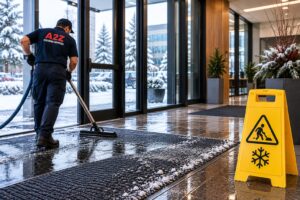
Fall weather adds more pressure. Rain, leaves, damp shoes, mud, pollen, and cooler indoor conditions can quickly affect entrances, mats, classroom floors, washrooms, and common areas. As winter approaches, salt and slush become another major concern for floors and carpets.
The best janitorial plan starts early. It identifies what needs daily attention, what needs weekly detailing, and what should be scheduled seasonally so the facility does not fall behind by October.
What Should Schools and Daycares Clean First in September?
The first priority should be the spaces that parents, staff, children, and visitors use most often. These areas create the strongest first impression and usually generate complaints fastest when cleaning is inconsistent.
Entrances and hallways should be reviewed first. They collect wet shoes, leaves, sand, mud, backpack debris, stroller traffic, and fingerprints. If entry floors are not maintained properly in fall, the mess spreads deeper into classrooms, washrooms, offices, and shared areas.
Washrooms are another high-priority area. In schools and daycares, washrooms need dependable cleaning because children use them frequently and parents notice odours, empty dispensers, wet floors, dirty fixtures, and neglected corners.
Classrooms, playrooms, lunch areas, nap rooms, offices, gyms, and shared activity spaces also need a clear routine. The goal is not just to clean visible mess. The goal is to maintain a facility that feels safe, organized, and ready for learning every morning.
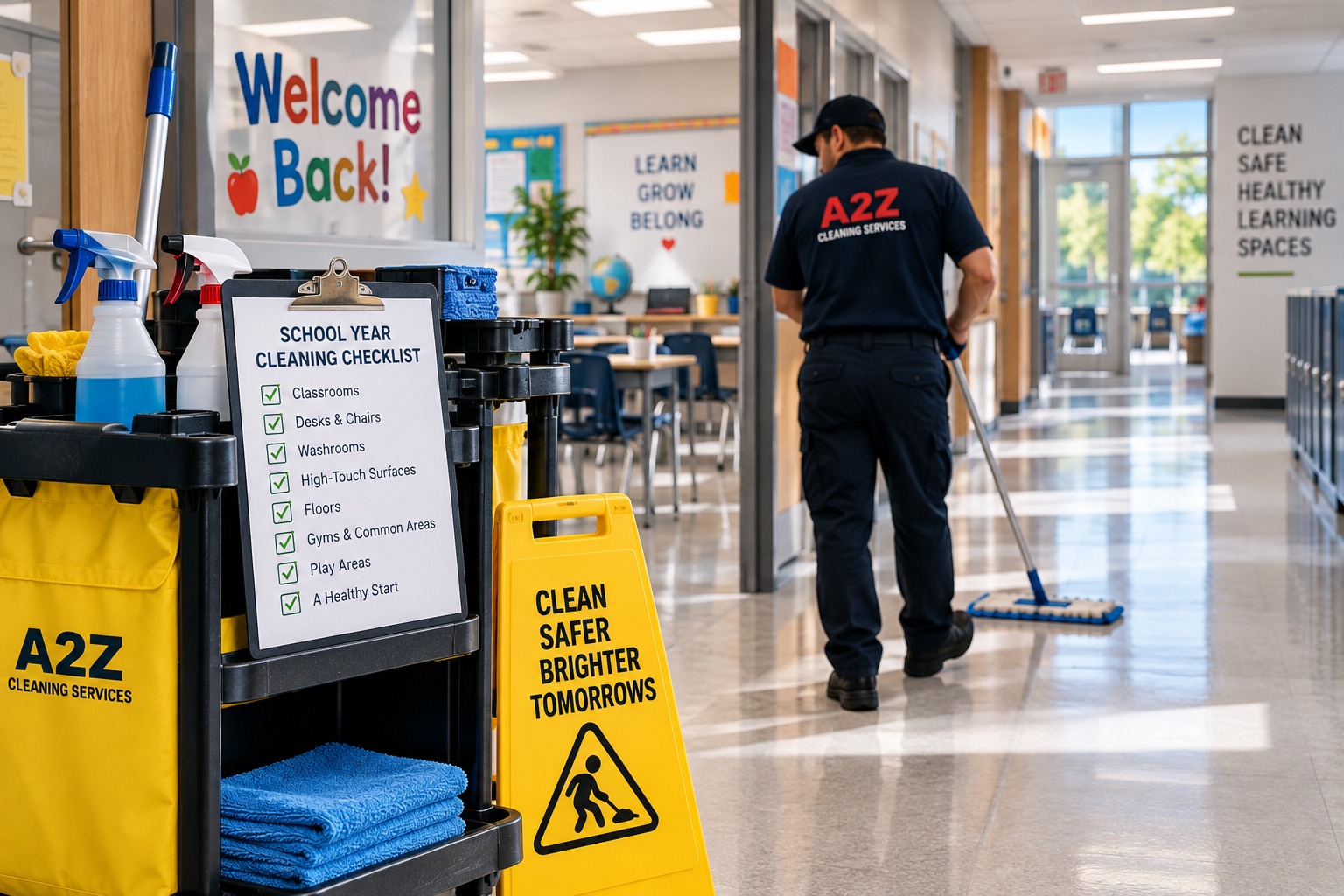
School Year Janitorial Checklist for Ontario Facilities
A clear checklist helps administrators, directors, and facility managers set expectations. It also makes it easier to compare cleaning company quotes because each provider can respond to the same practical scope.
| Facility Area | Daily Janitorial Priority | Weekly or Seasonal Priority |
|---|---|---|
| Entrances and hallways | Clean floors, doors, glass, handles, mats, cubby areas, and visible debris. | Detail baseboards, corners, floor edges, entry mats, wall marks, and seasonal salt or mud buildup. |
| Classrooms and learning rooms | Clean tables, chairs, touchpoints, floors, bins, shelves, and obvious spills. | Detail cubbies, storage areas, baseboards, vents, classroom corners, and dust-prone surfaces. |
| Washrooms | Clean toilets, sinks, mirrors, dispensers, partitions, floors, doors, handles, and waste bins. | Address odours, grout, drains, fixture buildup, partitions, floor edges, and deeper detailing. |
| Lunchrooms and snack areas | Clean tables, counters, chairs, sinks, appliance exteriors, floors, garbage, and touchpoints. | Detail cabinet faces, food-area walls, appliance edges, baseboards, bins, and odour-prone areas. |
| Nap rooms and quiet spaces | Maintain clean floors, dust-prone surfaces, bins, and orderly surroundings. | Schedule detailed dusting, carpet care if applicable, baseboard cleaning, and seasonal deep cleaning. |
| Gyms and activity rooms | Clean floors, doors, touchpoints, mats, equipment storage areas, and visible debris. | Deep clean floor edges, walls, storage zones, baseboards, and high-traffic activity areas. |
| Staff offices and break rooms | Empty garbage, clean tables, counters, shared touchpoints, floors, and kitchen surfaces. | Detail cabinets, vents, appliance edges, storage areas, baseboards, and neglected corners. |
This checklist should be adapted to the facility. A daycare, Montessori centre, private school, tutoring centre, church-based program, or school-adjacent facility may all need different routines depending on age groups, hours, room use, and traffic.
How Often Should School Janitorial Cleaning Be Scheduled?
Most schools, daycares, and learning centres need daily janitorial cleaning during the school year, especially for washrooms, floors, garbage, food areas, touchpoints, entrances, and shared spaces. Smaller facilities may require adjusted schedules, but cleaning must still match the pace of daily use.
Weekly cleaning can focus on deeper dusting, baseboards, cubbies, storage areas, wall marks, staff spaces, glass, and less-used rooms. Seasonal cleaning can include carpet cleaning, floor scrubbing, tile and grout cleaning, window cleaning, entryway recovery, and pre-winter floor preparation.
The right schedule depends on enrolment, staff count, visitor traffic, meal programs, washroom count, flooring, outdoor play routines, and whether the facility operates before and after regular school hours.
Consistency matters most. A facility that is cleaned randomly may look fine some days and neglected on others. A written janitorial plan gives staff and administrators a reliable standard to measure against.
Why September Is the Right Time to Build the Plan
September is the right time for school year janitorial planning because problems are easier to correct before the facility becomes overwhelmed. Once fall routines settle in, cleaning issues can become part of the daily background unless someone reviews the scope clearly.
Early fall is also when shared spaces start working harder. Drop-off and pickup areas become busy. Classrooms fill. Washrooms are used constantly. Lunchrooms and snack areas return to full use. Staff rooms become active again. Activity rooms, gyms, and hallways see heavier movement.
Planning in September also helps prepare for flu season. Cleaning cannot replace hand hygiene, staying home when sick, ventilation, or health policies, but it can improve the condition of high-touch areas and shared spaces before colder weather pushes more activity indoors.
It also gives facilities time to prepare for winter. Entrance mats, hallway floors, carpets, vestibules, cubbies, and high-traffic paths should be reviewed before salt, slush, and wet boots become daily issues.
Janitorial Planning for Health, Safety, and Parent Confidence
Parents may not ask to see your cleaning schedule, but they notice the results. Fresh washrooms, clean floors, organized cubbies, tidy classrooms, and a well-maintained entrance all help reinforce trust.
Staff notice too. When cleaning is inconsistent, teachers, educators, administrators, and support staff may end up handling messes that should be part of a structured janitorial plan. That can create frustration and take attention away from the children, students, or families they support.
Health and safety expectations also matter. For childcare and education environments, cleaning routines should support internal policies, safe product handling, clear task ownership, and appropriate attention to high-use areas. Cleaning products should be used according to directions, and commercial facilities should be mindful of WHMIS expectations when applicable.
A2Z Cleaning Services becomes the guide here because education facilities should not have to build their cleaning systems alone. As a LIUNA Local 1059 member commercial cleaning and janitorial company with trained bonded staff and a local Southwestern Ontario presence, A2Z understands the practical cleaning challenges schools, daycares, Montessori centres, and learning facilities face through Ontario seasons.
A Simple 3-Step Plan for School Year Cleaning
If your facility needs a stronger janitorial plan, start with a simple process. The goal is to reduce complaints, protect daily routines, and make cleaning easier to manage.
1. Walk the building during a normal school day
Do not only inspect the facility when it is empty. Walk the building during a normal day and notice how people move through entrances, hallways, classrooms, washrooms, lunch areas, offices, and activity spaces.
This helps identify where dirt, spills, odours, fingerprints, garbage, and floor wear actually happen. A cleaning plan should match real use, not assumptions.
2. Separate daily cleaning from deeper seasonal work
Daily janitorial cleaning should handle washrooms, garbage, floors, food areas, touchpoints, entrances, and visible mess. Seasonal deep cleaning should handle carpets, grout, floor edges, baseboards, windows, storage areas, cubbies, entryways, and pre-winter floor care.
This prevents routine cleaners from being expected to fix buildup without the right time, tools, or scope.
3. Put responsibilities in writing
A written janitorial scope should list the areas, tasks, frequency, products, access instructions, supply responsibilities, reporting process, and quality checks. It should also clarify which tasks are handled by staff and which are handled by the cleaning provider.
If your school, daycare, or learning facility needs a clearer janitorial plan this fall, Request your free quote.
How to Compare School Janitorial Cleaning Quotes
When comparing cleaning providers, do not choose only by the lowest monthly price. School and daycare cleaning quotes should be compared by scope, frequency, staffing, supervision, products, access, security, communication, and seasonal planning.
Ask each provider what is included daily, weekly, monthly, and seasonally. Ask about classrooms, washrooms, lunchrooms, entrances, hallways, cubbies, floors, carpets, windows, activity rooms, staff areas, garbage, high-touch points, and winter salt preparation.
You should also ask how the provider communicates concerns. If a washroom needs extra attention, a floor area becomes slippery, supplies run low, or an entrance gets overwhelmed by mud or salt, there should be a clear reporting and correction process.
If you are still evaluating providers, this related reading may help: how to choose a commercial cleaning company in London, Ontario.
For facilities that need broader ongoing support, professional janitorial services can help maintain daily cleaning consistency while seasonal deep cleaning is scheduled around the school calendar.
What Success Looks Like During the School Year
Success looks like a facility that feels ready before children, students, staff, and families arrive. Entrances are clean. Washrooms are fresh and stocked. Classrooms are maintained. Floors look cared for. Lunch areas are reset. Staff are not constantly compensating for missed cleaning tasks.
Parents feel more confident during drop-off and pickup. Staff feel supported. Administrators have a written cleaning scope they can reference. Visitors and inspectors see a facility that looks organized, professional, and cared for.
Failure looks different. Odours become normal. Washroom complaints repeat. Floors stay dirty. Cubbies collect dust and debris. Staff lose time cleaning instead of focusing on programming. Parents start noticing the wrong things.
School year janitorial planning Ontario facilities use should support more than appearance. It should protect trust, safety, comfort, staff focus, and the everyday experience of the building.
When the plan is right, your facility starts the school year cleaner, calmer, and better prepared for the seasons ahead.
FAQ
What should be included in a school year janitorial plan?
A school year janitorial plan should include entrances, classrooms, washrooms, lunch areas, hallways, cubbies, floors, carpets, glass, staff rooms, garbage, high-touch surfaces, and seasonal deep cleaning. The scope should match enrolment, age group, operating hours, flooring, outdoor play, meal routines, and fall or winter weather risks.
How often should schools and daycares be professionally cleaned?
Most schools and daycares need daily professional cleaning during the school year, especially for washrooms, garbage, floors, food areas, entrances, and touchpoints. Weekly and seasonal cleaning should address deeper buildup in carpets, cubbies, baseboards, windows, grout, activity rooms, and high-traffic areas.
Is September a good time to review janitorial cleaning?
Yes. September is an ideal time to review janitorial cleaning because school routines, drop-off traffic, classroom use, washroom demand, and shared spaces increase quickly. Reviewing the scope early helps correct gaps before flu season, wet fall weather, and winter salt make cleaning issues harder to manage.
How should schools compare janitorial cleaning quotes?
Schools should compare quotes by written scope, not only price. Confirm what is included daily, weekly, monthly, and seasonally. Ask about classrooms, washrooms, entrances, lunchrooms, floors, carpets, supplies, products, access, supervision, communication, quality checks, and whether seasonal deep cleaning is included or separate.