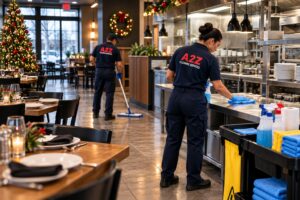
Your restaurant floor can look clean from a distance while grease, odours, and dark buildup hide in the grout lines. If the dining room, washrooms, kitchen entry, or service corridor still smells stale after mopping, the problem may be deeper than the surface.
For restaurant owners, pub operators, café managers, franchise teams, and facility managers, tile and grout cleaning restaurant floors require is not only about appearance. It affects safety, odour control, staff confidence, guest comfort, inspection readiness, and how long your floors continue to look professional.
That is why tile grout cleaning restaurant floors should be part of a practical maintenance plan, especially after a busy summer season. When grease, moisture, food residue, and foot traffic build up, routine mopping may not reach what is trapped inside porous grout.
For restaurants that need deeper floor support, professional tile and grout cleaning services can help remove buildup from the areas regular cleaning misses and support a cleaner, safer, more presentable facility.
Tile Grout Cleaning Restaurant Floors: Why It Matters
Tile grout cleaning restaurant floors need should be treated differently from basic floor mopping. Restaurant floors collect grease, sauce, salt, sugar, spills, crumbs, cleaning residue, moisture, and tracked-in dirt from customers, staff, delivery drivers, and patio traffic.
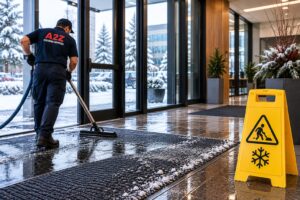
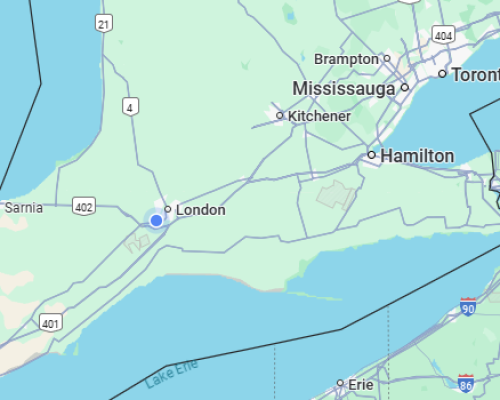
In London, Ontario, seasonal conditions make the issue more noticeable. Summer brings patio traffic, humidity, rain, dust, and heavy guest movement. Fall brings damp shoes and leaves. Winter adds slush, road salt, wet entrances, and extra floor stress near doors, kitchens, and washrooms.
The external problem is visible: dark grout lines, dull tile, sticky areas, washroom odours, slippery patches, and floors that never look fully clean. The internal frustration is just as real. Restaurant managers may feel embarrassed when guests notice dirty grout, worried before inspections, or frustrated that staff keep mopping without improving the floor.
The stakes of inaction can be serious. Greasy or poorly maintained floors can create slip concerns, unpleasant odours, staff complaints, guest hesitation, faster surface wear, and a facility that feels less sanitary than it should. Even if your food and service are excellent, dirty floors can weaken the guest experience.
Why Mopping Alone Does Not Fix Dirty Grout
Mopping is important, but it is not always enough for restaurant tile and grout. Tile surfaces may wipe clean, but grout lines are lower, more porous, and harder to reach. They can hold grease, food residue, mop water, detergent film, and odours over time.
When mop water becomes dirty or when grease is not properly broken down, residue can be pushed deeper into grout lines. The floor may look cleaner while wet, then dry with the same dark lines, haze, stickiness, or smell.
This is especially common in high-use areas such as kitchen entrances, service stations, dish areas, washrooms, bar zones, dining room paths, back doors, and routes between patio, kitchen, and front-of-house spaces.
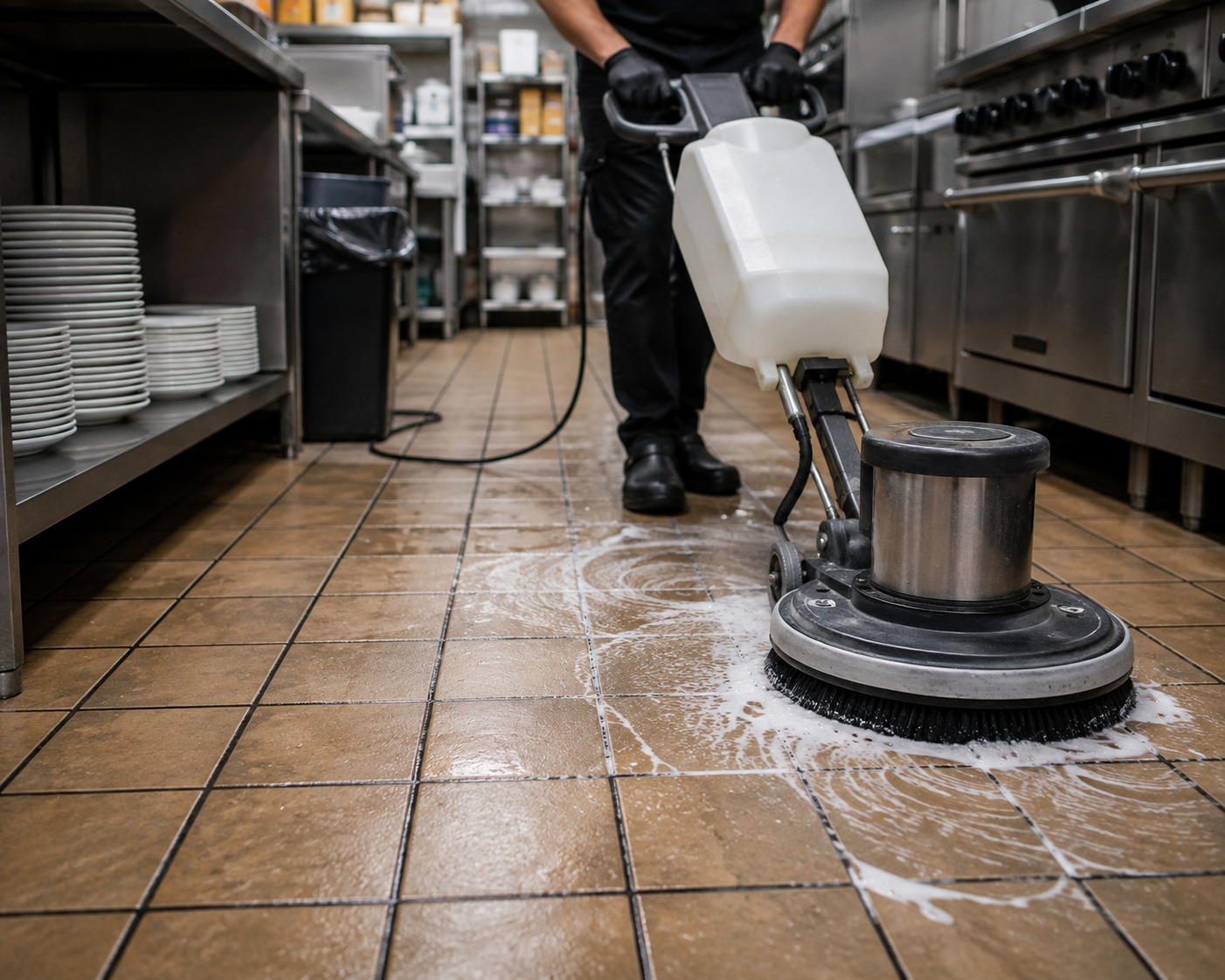
Professional tile and grout cleaning uses a deeper process than routine mopping. The goal is to loosen embedded buildup, clean the grout lines more effectively, rinse away residue, and restore a fresher appearance where regular cleaning is no longer enough.
What Areas of a Restaurant Need Tile and Grout Cleaning Most?
The areas that need the most attention are usually the zones with moisture, grease, food handling, heavy traffic, and frequent direction changes. These areas collect buildup faster because people are walking, turning, carrying, spilling, and cleaning repeatedly.
Kitchen entrances often show the first signs of trouble because grease and moisture move from back-of-house to front-of-house. Washrooms are another high-priority area because odours, moisture, floor edges, grout lines, drains, and fixture zones can affect how customers judge cleanliness.
Dining rooms, bar areas, takeout counters, vestibules, and patio entrances can also need deeper attention. In summer, guests and staff may track dust, rainwater, patio debris, and food residue through the same paths all day.
For restaurants, pubs, and cafés, the goal is not only to make floors look better. The goal is to keep the customer-facing environment fresh, reduce odour sources, and support safer movement for staff and guests.
Restaurant Tile and Grout Cleaning Checklist
A clear checklist helps restaurant owners and managers identify problem areas before they become complaints. It also helps compare cleaning company quotes because every provider can respond to the same floor care needs.
| Restaurant Area | Common Floor Problem | What Professional Cleaning Helps Address |
|---|---|---|
| Kitchen entrances | Grease tracking, sticky residue, dark grout, and slippery spots. | Deep cleaning of grout lines, floor edges, transition zones, and residue buildup. |
| Dining room paths | Traffic lanes, dull tile, food spills, and visible grout discolouration. | Restored appearance, cleaner grout lines, and improved guest-facing presentation. |
| Washrooms | Odours, moisture, grout stains, floor edge buildup, and fixture-area residue. | Odour source reduction, grout cleaning, detail work around fixtures, and cleaner floor edges. |
| Bar and service stations | Sticky spills, sugar residue, splashes, and high foot traffic. | Removal of sticky buildup and deeper cleaning around work zones and walking paths. |
| Patio entrances | Dirt, rainwater, patio debris, salt, and summer foot traffic. | Seasonal cleaning to reset entry areas before fall and winter traffic increases. |
| Back doors and delivery areas | Tracked-in dirt, grease, dust, and debris from deliveries and staff movement. | Deeper cleaning of transition zones that connect back-of-house to guest-facing areas. |
| Food prep support areas | Moisture, residue, floor edge buildup, and hard-to-reach grout lines. | More detailed floor care that supports routine cleaning and safer movement. |
This checklist should be adapted to your specific restaurant layout. A downtown London pub, a café in Byron, a franchise restaurant near White Oaks, a family restaurant in St. Thomas, or a high-traffic location near Masonville may all have different floor care needs.
How Often Should Restaurant Tile and Grout Be Professionally Cleaned?
Most restaurants should review tile and grout condition seasonally, with deeper cleaning scheduled based on traffic, grease exposure, washroom use, patio activity, and how quickly grout darkens after routine mopping. High-traffic restaurants may need professional tile and grout cleaning more often than low-traffic facilities.
There is no single schedule that fits every restaurant. A busy pub with late-night traffic, beer spills, and washroom use will likely need a different plan than a small café with limited seating. A restaurant with a patio may need extra floor attention after summer. A kitchen-heavy facility may need more frequent cleaning near transition zones.
Signs that your tile and grout need deeper cleaning include dark grout lines, persistent odours, sticky areas, cloudy tile, slippery sections, guest-facing stains, or floors that still look dirty after regular cleaning.
The smartest approach is to combine daily cleaning with periodic deep cleaning. Routine cleaning keeps the floor manageable day to day. Professional tile and grout cleaning helps correct the buildup that routine mopping cannot fully remove.
Why August Is a Smart Time for Restaurant Floor Cleaning
August is an ideal time for restaurant tile and grout cleaning in Ontario because many floors are showing the impact of summer traffic. Patio season, humidity, rain, food spills, busy weekends, takeout traffic, and long operating hours can leave tile and grout looking tired by late summer.
It is also a practical time to reset before fall. Once cooler weather returns, guests move indoors more often, dining rooms get busier again, and entryways begin dealing with rain, leaves, and eventually winter salt.
Cleaning tile and grout before fall helps restaurants avoid carrying summer buildup into the next season. It also prepares washrooms, entrance areas, dining rooms, and service paths before the weather becomes harder on floors.
For restaurants in London, St. Thomas, Strathroy, Woodstock, Kitchener, Waterloo, Cambridge, and Windsor, late summer floor care can support a cleaner transition into back-to-school routines, fall events, business lunches, and indoor dining demand.
A2Z Cleaning Services becomes the guide here because restaurant teams should not have to fight floor buildup alone. As a LIUNA Local 1059 member commercial cleaning and janitorial company with trained bonded staff and a local Southwestern Ontario presence, A2Z understands how restaurant floors are affected by grease, moisture, traffic, odours, and Ontario weather.
A Simple 3-Step Plan for Cleaner Restaurant Floors
If your tile and grout are starting to look worn, start with a simple plan. The goal is to identify problem zones, improve the daily routine, and schedule deep cleaning before the floor becomes harder to restore.
1. Walk the floor before opening
Look at the restaurant when it is quiet and the lights are on. Check the entrance, dining room paths, bar areas, kitchen entrances, washrooms, service stations, and back doors.
Notice where grout lines are darkest, where the floor feels sticky, where odours are strongest, and where mopping no longer improves the appearance.
2. Separate daily mopping from deep grout cleaning
Daily mopping helps remove surface soil, spills, and visible mess. Deep grout cleaning targets the buildup that sits below the tile surface and along grout lines, edges, and corners.
Both are needed. Mopping without periodic deep cleaning can leave floors looking dull. Deep cleaning without daily maintenance will not last as long.
3. Schedule floor care around low-traffic hours
Restaurants operate on tight schedules, so floor care should be planned around service hours, staff access, dry time, and safety. Many facilities schedule deeper cleaning after closing, before opening, or during slower days.
If your restaurant floors need a late-summer reset before fall traffic increases, Request your free quote.
How Tile and Grout Cleaning Supports Inspection Readiness
Restaurant cleanliness is judged by guests, staff, and inspection expectations. While every food premises operator must follow the rules that apply to their facility, cleaner floors can support a more organized and professional environment.
Tile and grout cleaning does not replace food safety procedures, staff training, proper sanitation, pest control, or required internal cleaning routines. It supports them by helping reduce visible buildup, odour sources, greasy residue, and neglected floor areas that can make a facility feel poorly maintained.
Washrooms, dining areas, kitchen transition zones, and service paths all contribute to the overall impression of cleanliness. When floors look dirty, people may assume other areas are being neglected too.
If you are planning a broader restaurant cleaning review, this related reading may help: restaurant and pub cleaning practices that support inspection readiness.
For ongoing support beyond tile and grout, restaurant and pub cleaning services can help maintain guest-facing spaces, washrooms, floors, and daily cleaning routines.
What Success Looks Like After Professional Tile and Grout Cleaning
Success looks like a restaurant floor that feels cleaner before guests arrive. Grout lines look brighter. Sticky areas are reduced. Washrooms smell fresher. Dining room paths look more polished. Staff are not embarrassed by floor buildup that mopping cannot fix.
Managers spend less time reacting to complaints and more time running the restaurant. Guests see a facility that feels cared for. Staff move through cleaner work zones. The floor supports the brand instead of quietly weakening it.
Failure looks different. Grout keeps darkening. Odours return after every mop. Floors feel sticky. Washrooms create complaints. Grease tracks from back-of-house into guest areas. By the time the problem is obvious, it may require more intensive cleaning to correct.
Tile grout cleaning restaurant floors need should be viewed as part of long-term facility care. Clean floors do not replace great food or service, but they help guests trust the experience from the moment they walk in.
When the plan is right, your restaurant looks cleaner, smells fresher, and is easier to maintain through every season.
FAQ
How often should restaurant tile and grout be professionally cleaned?
Restaurant tile and grout should be professionally cleaned based on traffic, grease exposure, washroom use, patio activity, and visible buildup. Many restaurants review grout condition seasonally, while high-traffic locations may need deeper cleaning more often. Dark grout, odours, sticky areas, and cloudy tile are warning signs.
Why does grout stay dirty after mopping?
Grout often stays dirty after mopping because it is porous and sits lower than the tile surface. Grease, food residue, dirty mop water, detergent film, and moisture can settle into grout lines. Professional cleaning helps loosen and remove buildup that routine mopping may continue pushing around.
Is August a good time for restaurant floor cleaning?
Yes. August is a smart time for restaurant floor cleaning in Ontario because summer traffic, patio use, humidity, rain, and spills can leave tile and grout looking tired. Cleaning before fall helps reset dining rooms, washrooms, entrances, and service paths before indoor traffic and winter floor challenges increase.
How do I compare restaurant tile and grout cleaning quotes?
Compare quotes by scope, not only price. Ask which areas are included, whether grout lines, floor edges, washrooms, kitchen entrances, dining paths, bar areas, and patio entrances are covered. Confirm scheduling, dry time, product use, access, supervision, and whether ongoing maintenance recommendations are provided.