Parents notice cleanliness the moment they walk into your daycare, school, or Montessori centre. If floors look dull, washrooms smell unpleasant, cubbies feel sticky, or classrooms seem dusty, trust can start to drop before anyone says a word.
For childcare and education spaces, cleaning is not only about appearance. It affects parent confidence, staff morale, daily routines, odour control, illness prevention, and the way your centre feels during tours, inspections, pickup, and drop-off.
That is why daycare school cleaning standards London Ontario matter so much for administrators, owners, school managers, and facility teams. You are not just trying to keep a building tidy. You are trying to protect a space where children learn, eat, play, rest, explore, and touch almost everything around them.
For centres that need consistent support, professional daycare, school, and Montessori cleaning services can help turn cleaning from a daily stress into a structured plan. The right cleaning program supports your staff, reassures parents, and helps your facility stay ready for busy mornings, seasonal illness, and inspection expectations.
Daycare School Cleaning Standards London Ontario: Why They Matter
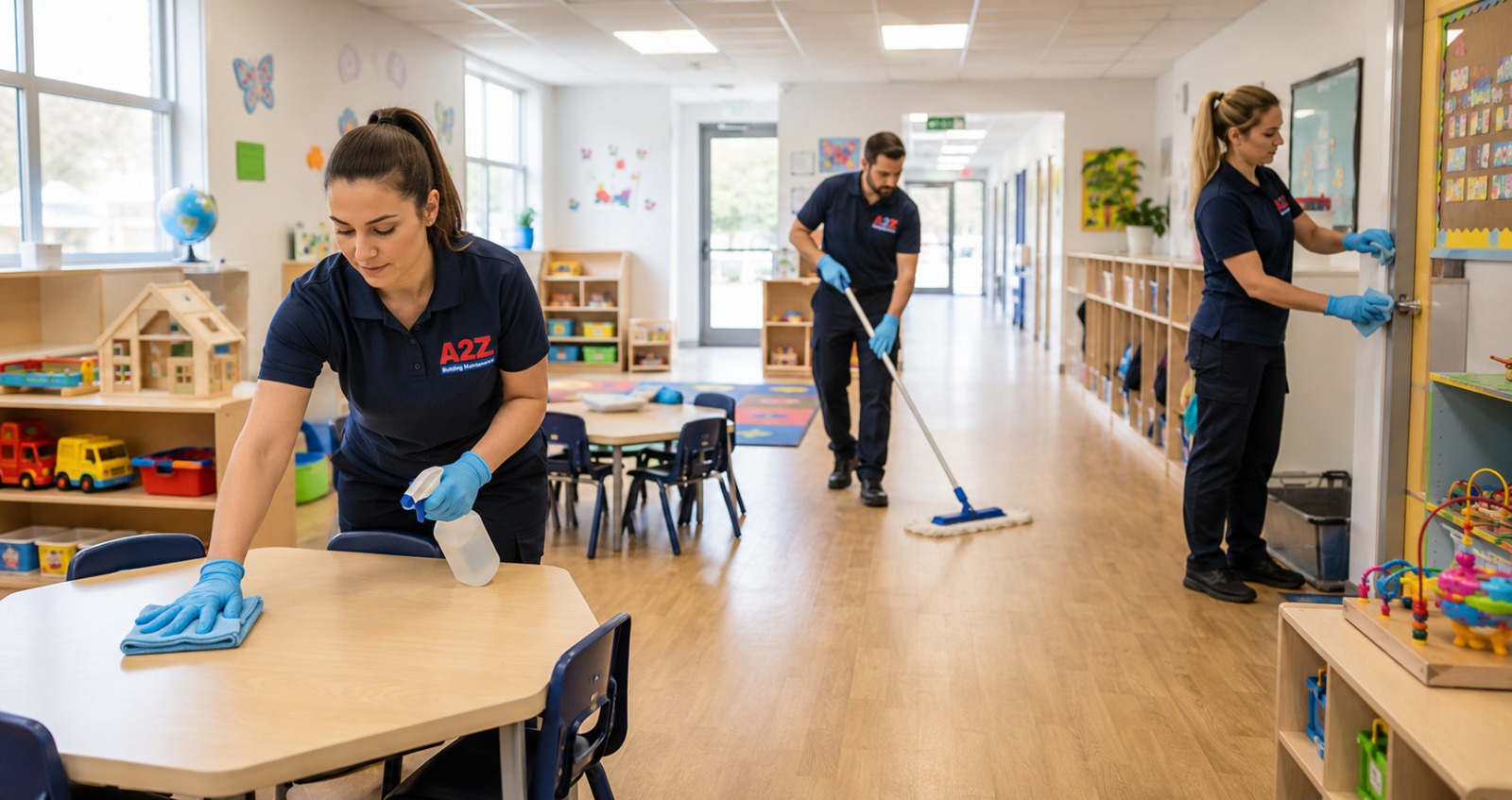
Daycare school cleaning standards London Ontario are important because childcare and learning environments face a different level of use than many commercial spaces. Children sit on floors, share toys, touch walls, use washrooms frequently, eat snacks, move between activity zones, and bring outdoor dirt inside throughout the day.
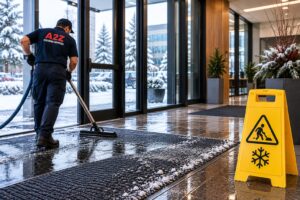
In London, Ontario, seasonal conditions make this even more noticeable. Winter brings salt, slush, wet boots, and muddy entryways. Spring and fall bring rain, pollen, and damp outdoor play areas. Humid summer weather can make odours and washroom freshness more obvious, especially in older buildings or high-traffic centres.
The external problem is clear: classrooms, playrooms, washrooms, kitchens, nap areas, hallways, and entrances need regular attention. The internal frustration is just as real. Staff may feel embarrassed when parents notice messes, administrators may worry before inspections, and owners may fear that cleanliness concerns could affect enrolment or reputation.
The cost of inaction can be significant. A poorly maintained centre can create parent complaints, staff stress, unpleasant odours, faster surface wear, inconsistent hygiene, and a facility that feels less safe than it should. In childcare, perception matters because parents are trusting you with what matters most to them.
What Does Clean Really Mean in a Childcare Setting?
In a daycare or school, “clean” means more than a room that looks neat after pickup. A clean childcare environment should be visibly tidy, hygienic, fresh-smelling, well organized, and maintained with routines that match how children actually use the space.
For example, a classroom may look fine from the doorway, but tables, chairs, door handles, cubbies, learning materials, and floor edges may still need detailed attention. A washroom may be stocked and mopped, but fixtures, partitions, dispensers, and touchpoints still require proper cleaning. A nap room may look peaceful, but dust, soft surfaces, and floor care still matter.
Cleaning also needs to respect the daily rhythm of the facility. A daycare cannot be treated like an empty office. There are meal times, nap times, outdoor play periods, pickup windows, allergy concerns, classroom transitions, and staff routines to consider.
This is where a practical cleaning standard becomes useful. It gives your team and cleaning provider a shared understanding of what must happen daily, what should happen weekly, and what needs deeper seasonal attention.
Daily, Weekly, and Seasonal Cleaning Checklist for Daycares and Schools
A clear checklist helps prevent missed tasks and confusion. It also makes it easier to compare cleaning company quotes because every provider is responding to the same expectations.
| Area | Daily Focus | Weekly or Seasonal Focus |
|---|---|---|
| Entrances and hallways | Remove visible dirt, salt, debris, fingerprints, and wet floor hazards. | Deep clean floor edges, mats, baseboards, doors, glass, and high-traffic corners. |
| Classrooms and playrooms | Clean tables, chairs, touchpoints, floors, bins, and obvious spills. | Detail cubbies, shelves, baseboards, learning stations, and hard-to-reach dust areas. |
| Washrooms | Clean toilets, sinks, counters, mirrors, dispensers, partitions, floors, and touchpoints. | Address odour sources, grout lines, floor edges, drains, partitions, and fixture buildup. |
| Eating and snack areas | Clean tables, chairs, counters, floors, garbage areas, and food-contact surroundings. | Deep clean corners, cabinets, appliance exteriors, walls near eating zones, and bins. |
| Nap and quiet rooms | Maintain floors, dust-prone surfaces, and fresh, orderly surroundings. | Perform detailed dusting, carpet care if applicable, and seasonal deep cleaning. |
| Staff rooms and offices | Empty garbage, clean surfaces, maintain floors, and refresh shared areas. | Detail kitchens, storage areas, door frames, vents, baseboards, and neglected corners. |
| Outdoor transition areas | Manage tracked-in dirt, mud, salt, leaves, and debris near doors. | Schedule seasonal pressure washing, mat cleaning, and entry floor care when needed. |
This checklist should be adapted to the age group, building layout, operating hours, flooring type, and daily traffic. Infant rooms, toddler rooms, preschool rooms, Montessori classrooms, gym areas, and school washrooms may all need slightly different routines.
The most effective daycare and school cleaning plans are not random. They are structured around how the facility is used from opening to closing.
Safe Disinfection Without Disrupting Children and Staff
Disinfection matters in childcare, but it must be handled carefully. The goal is not to spray strong products everywhere without a plan. The goal is to clean first, disinfect appropriate high-touch surfaces when needed, and use products according to label directions and facility expectations.
High-touch surfaces in daycares and schools often include door handles, light switches, railings, tabletops, chair backs, cubbies, faucet handles, soap dispensers, toilet flush handles, shared learning stations, reception counters, and staff touchpoints.
For childcare settings, safe scheduling is important. Cleaning and disinfection should be planned around children, staff, food areas, ventilation, dry times, and product handling. The cleaning provider should understand that the facility is sensitive, active, and full of young children who interact closely with surfaces.
Staff should not feel that cleaning is constantly interrupting programming. A good cleaning plan supports the day instead of disrupting it. Routine cleaning can happen after hours, while targeted touchpoint care and urgent spill response can be handled during operating hours when appropriate.
A2Z Cleaning Services becomes the guide here because the centre should not have to build this system alone. As a LIUNA Local 1059 member commercial cleaning and janitorial company with trained bonded staff and local Southwestern Ontario presence, A2Z understands the practical pressure that daycare, school, and Montessori operators face every day.
We have seen how quickly winter salt, snack spills, washroom odours, classroom dust, and pickup-time traffic can affect how a facility feels. The right plan gives administrators confidence that cleaning is being handled with care, consistency, and accountability.
A Simple 3-Step Cleaning Plan for Your Centre
If your current cleaning process feels inconsistent, start with a simple plan. You do not need to fix everything at once. You need a clear path that helps you identify priorities, set standards, and keep people accountable.
1. Walk the facility like a parent
Start at the front entrance and walk through the building the way a parent, visitor, or inspector would. Notice what they would see first: doors, glass, floors, odours, reception areas, hallways, cubbies, classroom corners, washrooms, and eating spaces.
This exercise helps reveal the difference between what staff have become used to and what a new visitor may notice immediately. In childcare, first impressions often happen during the most stressful times of day, such as morning drop-off or afternoon pickup.
2. Separate daily cleaning from deep cleaning
Daily cleaning should protect the basic standard of the centre. This includes floors, washrooms, garbage, food areas, classroom surfaces, and high-touch points.
Deep cleaning handles the buildup that routine cleaning cannot always solve. This may include detailed floor care, carpet cleaning, baseboards, cubbies, tile and grout, staff areas, storage spaces, windows, and seasonal salt recovery after winter.
3. Put the scope in writing
A written scope prevents confusion. It should list areas, tasks, frequency, products, access instructions, reporting process, and quality checks. This helps your cleaning team understand expectations and gives administrators a clear way to measure performance.
If your centre needs a reliable plan before summer deep cleaning or back-to-school preparation, Request your free quote.
Preparing for Summer Deep Cleaning and Back-to-School
June, July, and August are ideal months for daycare and school cleaning projects in London and Southwestern Ontario. Many centres use quieter summer periods, classroom transitions, or scheduled closures to complete work that is difficult during the regular school year.
Summer is a strong time to address detailed cleaning before parents return in the fall. This may include deep cleaning classrooms, refreshing washrooms, cleaning carpets, scrubbing hard floors, removing winter salt residue, cleaning windows, detailing cubbies, and preparing entry areas for a new season.
Back-to-school preparation is also about confidence. When families walk in, they should feel that the centre is organized, fresh, and ready. Staff should feel proud of the environment they work in. Administrators should not be rushing to fix cleaning concerns during the first busy weeks of September.
For centres near neighbourhoods such as Masonville, Byron, Old East Village, Westmount, White Oaks, Hyde Park, and downtown London, traffic patterns and building types can vary widely. A Montessori program in a converted house may have very different cleaning needs than a larger childcare centre in a commercial plaza or school setting.
That is why the best cleaning plan is local and practical. It should account for the building, the children, the staff workflow, the season, and the expectations of families in the community.
How to Compare Daycare and School Cleaning Quotes
When comparing cleaning providers, avoid choosing based only on the lowest monthly number. A low quote may leave out important details such as washroom depth, classroom touchpoints, periodic deep cleaning, floor care, carpet cleaning, entryway salt control, or supervision.
Ask each provider what is included daily, weekly, monthly, and seasonally. Ask how they handle product safety, staff training, access, lock-up, communication, and missed tasks. Ask whether the same team will clean regularly or whether staff will change often.
You should also ask how the company responds when something changes. Daycare and school environments are active. A flu season, stomach bug, winter storm, classroom event, inspection notice, or renovation project can change cleaning priorities quickly.
If you are still evaluating providers, this related reading may help: how to choose a commercial cleaning company in London, Ontario.
It may also be helpful to consider supporting services such as commercial carpet cleaning, especially for classrooms, offices, corridors, and soft floor areas that collect dust, crumbs, salt, and odours over time.
What Success Looks Like for Parents, Staff, and Inspectors
Success looks like a centre that feels ready before the first child arrives. Floors are clean, washrooms are fresh, classroom surfaces are maintained, cubbies are organized, entryways are safe, and staff are not embarrassed by areas that have been neglected.
Parents feel more confident during drop-off. Staff feel supported instead of responsible for every cleaning issue. Administrators have a written cleaning scope they can reference. Visitors see a facility that reflects care, structure, and professionalism.
Failure looks different. Odours become normal. Floors stay sticky. Washrooms generate complaints. Staff spend time cleaning instead of focusing on children. Parents question standards. Small problems become bigger reputation concerns.
Daycare school cleaning standards London Ontario should be viewed as part of your centre’s trust-building process. Cleanliness does not replace great care, teaching, or communication, but it supports all of them.
When the cleaning plan is right, your centre looks better, feels safer, and runs with less daily stress.
FAQ
How often should a daycare or school be professionally cleaned?
Most daycare and school environments need daily cleaning for washrooms, floors, garbage, food areas, touchpoints, and classroom surfaces. Weekly and seasonal deep cleaning should handle buildup in cubbies, carpets, baseboards, grout, entryways, and staff spaces. The best frequency depends on age group, traffic, building layout, and operating hours.
What areas need the most attention in childcare cleaning?
The highest-priority areas are washrooms, eating spaces, classroom tables, chairs, cubbies, floors, door handles, railings, reception areas, and shared activity zones. Children touch surfaces constantly, so cleaning routines should focus on both visible mess and high-touch areas that affect parent confidence and staff comfort.
Is summer a good time for daycare and school deep cleaning?
Yes. Summer is one of the best times for daycare and school deep cleaning in London, Ontario. Many centres use quieter weeks or scheduled closures to clean carpets, scrub floors, refresh washrooms, detail classrooms, remove winter salt residue, and prepare the facility before back-to-school traffic returns.
How do I compare daycare cleaning company quotes?
Compare quotes by scope, not only price. Ask what is cleaned daily, weekly, monthly, and seasonally. Confirm whether supplies, products, floor care, carpet cleaning, supervision, access procedures, and quality checks are included. A detailed written scope helps prevent confusion and protects your centre’s standards.