Your patients notice cleanliness before they sit down, fill out a form, or meet the provider. If the waiting room feels dusty, the washroom smells unpleasant, or treatment areas look rushed, confidence can drop quickly.
For clinics, dental offices, physiotherapy spaces, optometry practices, and medical offices, cleaning is not just about looking professional. It supports patient trust, staff safety, odour control, infection prevention routines, and the overall experience people remember after their appointment.
That is why a medical office cleaning checklist Ontario clinics can actually use is so important. Your team is already focused on patients, scheduling, charting, supplies, privacy, and care delivery. Cleaning should not become another source of stress or uncertainty.
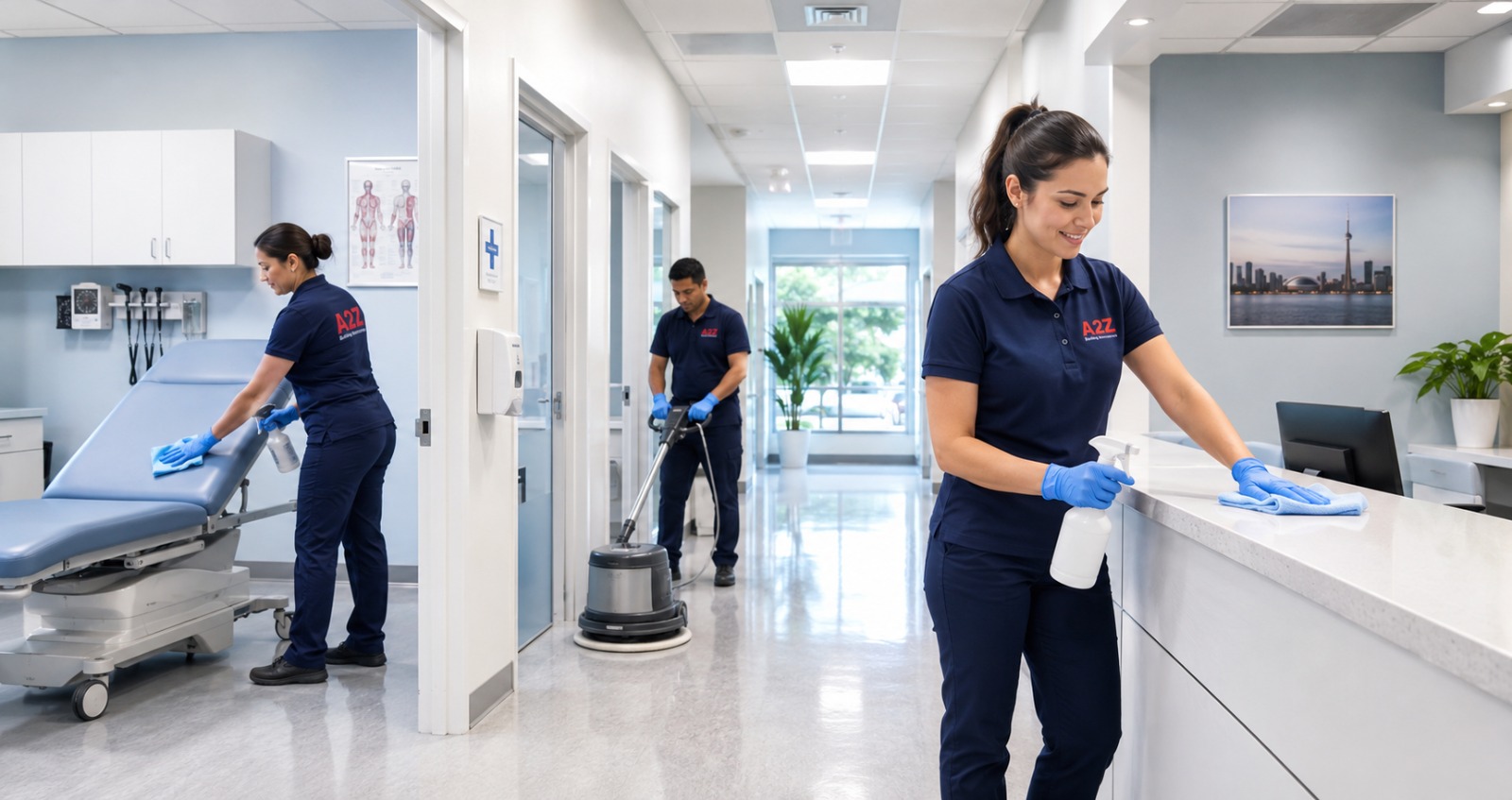
For facilities that need consistent support, professional healthcare cleaning services in Ontario can help organize daily cleaning, high-touch disinfection, washroom care, floor maintenance, and seasonal deep cleaning around the way your clinic actually operates.
Medical Office Cleaning Checklist Ontario Clinics: Why It Matters
A medical office cleaning checklist Ontario clinics can trust should reflect the way patients, staff, and visitors move through the space. A clinic is not cleaned like a basic office. There are reception counters, exam rooms, treatment chairs, clinical surfaces, waiting areas, staff rooms, washrooms, floors, and high-touch points that need clear routines.
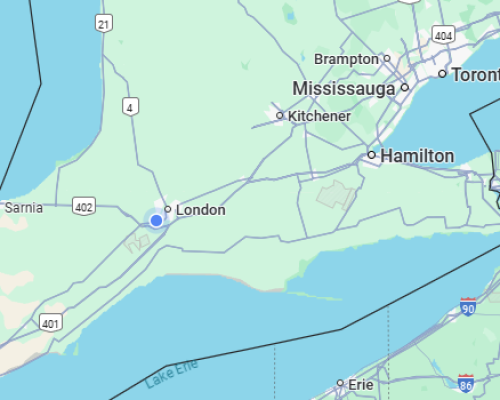
In London, Ontario, medical and dental clinics deal with seasonal challenges that change throughout the year. Winter brings salt, slush, and wet entryways. Spring and summer can bring pollen, dust, humidity, and odour concerns. Late summer is also a smart time to prepare before the fall respiratory season and busier back-to-school family appointment schedules.
The external problem is easy to see: dust, fingerprints, waste, washroom odours, dirty floors, and high-touch surfaces can build up fast. The internal frustration is more serious. Clinic administrators may worry about patient complaints, staff morale, inspection readiness, and whether the space reflects the level of care being delivered.
The stakes are high because patients expect healthcare spaces to feel clean, calm, and well managed. A clinic may provide excellent care, but if the environment feels neglected, patients can question the entire experience.
What Should Be Cleaned Daily in a Medical Office?
Daily cleaning should protect the baseline standard of the clinic. It should focus on visible cleanliness, high-touch areas, washrooms, waste removal, floors, and spaces that patients and staff use repeatedly throughout the day.
A practical daily checklist can include reception counters, waiting room chairs, door handles, light switches, washroom fixtures, sinks, dispensers, floors, garbage and recycling, staff kitchen areas, and common touchpoints. Treatment areas may require more specific cleaning routines based on the type of clinic and internal protocols.
Cleaning and disinfection are not the same thing. Cleaning removes visible soil, dust, spills, and residue. Disinfection targets appropriate surfaces after cleaning, using products according to label directions and the clinic’s internal requirements.
This distinction matters because spraying disinfectant over dirt is not a reliable cleaning process. The surface should be cleaned first, then disinfected where needed, with attention to dwell time, product compatibility, ventilation, and safe handling.
Room-by-Room Cleaning Checklist for Clinics and Medical Offices
A room-by-room checklist helps clinic managers set expectations clearly. It also makes it easier to compare cleaning providers because each quote can be measured against the same practical scope.
| Area | Daily Cleaning Focus | Weekly or Seasonal Focus |
|---|---|---|
| Reception and waiting room | Clean counters, chairs, tables, touchpoints, glass, floors, garbage, and visible dust. | Detail chair bases, baseboards, vents, entry glass, upholstery, and hard-to-reach dust areas. |
| Exam and treatment rooms | Clean floors, touchpoints, counters, cabinet handles, sinks, doors, and non-clinical surfaces as assigned. | Detail corners, floor edges, walls near treatment zones, storage areas, and dust-prone surfaces. |
| Dental or procedure rooms | Follow internal clinical protocols for treatment zones and clean assigned non-clinical surfaces, floors, bins, and touchpoints. | Deep clean baseboards, floor edges, cabinetry exteriors, doors, and support areas around the clinical workflow. |
| Washrooms | Clean toilets, sinks, counters, mirrors, dispensers, door handles, partitions, floors, and waste bins. | Address odours, grout lines, buildup, floor edges, drains, partitions, and fixture detailing. |
| Staff room and break area | Clean tables, counters, sinks, appliance exteriors, floors, garbage, and shared touchpoints. | Detail cabinets, walls near food areas, baseboards, appliance edges, and storage corners. |
| Hallways and entrances | Remove dirt, salt, spills, fingerprints, and debris from floors, doors, handles, and entry areas. | Schedule floor care, mat cleaning, glass detailing, and seasonal salt recovery after winter. |
| Administrative offices | Empty garbage, dust accessible surfaces, clean floors, and maintain shared touchpoints. | Detail desks, shelves, baseboards, vents, door frames, and storage areas as needed. |
This checklist should be adapted to each facility. A family medical clinic, dental office, physiotherapy clinic, walk-in clinic, optometry office, and specialist practice may all have different patient flow, surface types, equipment zones, and operating hours.
The key is to define responsibility clearly. Your clinical team should know what they handle internally, and your cleaning provider should know exactly which areas, tasks, and frequencies they are responsible for.
IPAC Basics Without Overcomplicating the Cleaning Plan
In Ontario healthcare environments, infection prevention and control expectations matter. Clinics should follow the guidance that applies to their setting, including internal policies, public health expectations, professional college requirements, and appropriate infection prevention and control practices.
For cleaning purposes, this means the plan should separate general janitorial cleaning from clinical protocols. A commercial cleaning team may support floors, washrooms, reception, waiting areas, administrative spaces, non-clinical surfaces, and assigned touchpoints. Clinical staff may remain responsible for specific medical equipment, treatment surfaces, instruments, and regulated clinical procedures.
This separation helps protect both safety and accountability. It also prevents assumptions. Everyone should know who cleans what, when it happens, which products are used, and how concerns are reported.
WHMIS awareness is also important when cleaning products are used in commercial and healthcare-adjacent environments. Products should be handled safely, labelled properly, and used according to directions. Staff should not be guessing about chemical use, mixing products, or applying disinfectants without understanding the process.
A2Z Cleaning Services becomes the guide here because clinics should not have to manage every cleaning detail alone. As a LIUNA Local 1059 member commercial cleaning and janitorial company with trained bonded staff and a local Southwestern Ontario presence, A2Z understands the need for reliable cleaning, clear scope, safe product handling, and professional accountability.
A Simple 3-Step Plan for a Cleaner Clinic
If your current cleaning process feels inconsistent, start with a simple plan. The goal is not to make cleaning more complicated. The goal is to make expectations clearer and easier to manage.
1. Map your clinic by risk and traffic
Start by listing each area of the clinic: entrance, reception, waiting room, exam rooms, treatment rooms, washrooms, hallways, staff areas, storage spaces, and administrative offices. Then identify which areas have the most patient contact, touchpoints, moisture, waste, odour risk, or floor traffic.
This makes it easier to decide what needs daily attention, what needs periodic detailing, and what should be handled by clinical staff under internal protocols.
2. Separate routine cleaning from deep cleaning
Routine cleaning keeps the clinic presentable and functional day to day. It includes washrooms, garbage, floors, surfaces, touchpoints, waiting areas, staff rooms, and entrances.
Deep cleaning deals with buildup. That may include floor edges, baseboards, carpet care, grout lines, entry salt residue, detailed dusting, upholstery, interior glass, storage areas, and hard-to-reach corners that daily cleaning may not fully address.
3. Put the cleaning scope in writing
A written scope reduces confusion. It should list cleaning areas, task frequency, product expectations, access instructions, lock-up procedures, reporting process, supply responsibilities, and quality checks.
If your clinic needs a clearer cleaning plan before fall appointments, flu season, or a summer deep clean, Request your free quote.
Why Summer Is a Smart Time for Clinic Deep Cleaning
Summer is one of the best times for medical office deep cleaning in Ontario. Many clinics use quieter periods, holiday schedules, or adjusted appointment volumes to complete work that is harder to manage during the busiest parts of the year.
Before September arrives, clinics often benefit from refreshing waiting rooms, detailing washrooms, removing winter salt residue, cleaning carpets, scrubbing hard floors, addressing dust, and preparing high-touch spaces before respiratory illness season increases concern around cleanliness.
Summer humidity can also make odours more noticeable in washrooms, staff rooms, carpeted areas, and entryways. If a clinic already has small odour issues, they can become more obvious during warm weather.
For clinics in London, St. Thomas, Woodstock, Strathroy, Kitchener, Waterloo, Cambridge, and Windsor, summer deep cleaning can help reset the facility before the fall rush. This is especially useful for family clinics, dental offices, physiotherapy clinics, and multi-practitioner spaces where patients move through the building all day.
Seasonal cleaning should not replace routine janitorial service. It should strengthen it. Routine cleaning keeps your clinic ready each day, while seasonal deep cleaning helps correct buildup, protect surfaces, and improve the overall feel of the space.
How to Compare Medical Office Cleaning Quotes
When comparing cleaning providers, do not judge only by the monthly price. Medical office cleaning requires careful scope, dependable staff, safe product use, after-hours access, communication, and respect for patient-facing environments.
Ask each cleaning company what is included daily, weekly, monthly, and seasonally. Ask which areas they clean, which areas are excluded, how they handle washrooms, how they manage high-touch points, what products they use, and how issues are reported.
You should also ask about staffing consistency. Clinics often require secure access, after-hours work, alarm procedures, privacy awareness, and reliable scheduling. A missed cleaning visit can affect the next day’s patient experience immediately.
If you are still evaluating providers, this related reading may help: healthcare cleaning compliance without disruption.
For clinics that need more than routine service, professional deep cleaning services can help address buildup in floors, washrooms, corners, common areas, and high-traffic patient spaces.
What Success Looks Like in a Well-Cleaned Clinic
Success looks like a clinic that feels calm, professional, and ready before the first appointment. The waiting room looks fresh. Washrooms are clean and stocked. Floors do not show salt, dust, or dull buildup. Staff are not distracted by cleaning complaints. Patients feel that the environment matches the care they came to receive.
Failure looks different. Dust becomes normal. Odours return. Entry floors look worn. Staff quietly compensate for missed tasks. Patients notice small signs of neglect. Administrators spend time reacting to issues instead of managing the clinic.
A medical office cleaning checklist Ontario clinics can rely on helps prevent that drift. It turns cleaning into a structured system instead of a recurring problem.
When the plan is right, your clinic looks more professional, supports staff better, and gives patients one more reason to trust your care environment.
FAQ
How often should a medical office be professionally cleaned?
Most medical offices need professional cleaning daily or several times per week, depending on patient volume, washrooms, treatment rooms, flooring, and operating hours. High-touch areas, floors, garbage, washrooms, and waiting rooms usually need frequent attention, while deep cleaning can be scheduled monthly, seasonally, or as needed.
What is the difference between cleaning and disinfecting in a clinic?
Cleaning removes visible soil, dust, spills, and residue from surfaces. Disinfecting is a separate step that targets appropriate surfaces using approved products according to label directions. In clinics, both steps matter because disinfectants work best when surfaces are cleaned first and used with the correct contact time.
Is summer a good time for medical office deep cleaning?
Yes. Summer is a smart time for medical office deep cleaning in Ontario because clinics can reset the facility before fall appointment demand and respiratory illness season. It is a good time to clean carpets, scrub floors, detail washrooms, remove salt residue, and address dust or odour concerns.
How do I choose a cleaning company for a medical office?
Choose a cleaning company that provides a written scope, trained bonded staff, clear communication, safe product handling, and experience with healthcare-adjacent spaces. Ask what is included daily, weekly, monthly, and seasonally, and confirm how they handle access, supervision, missed tasks, and quality concerns.