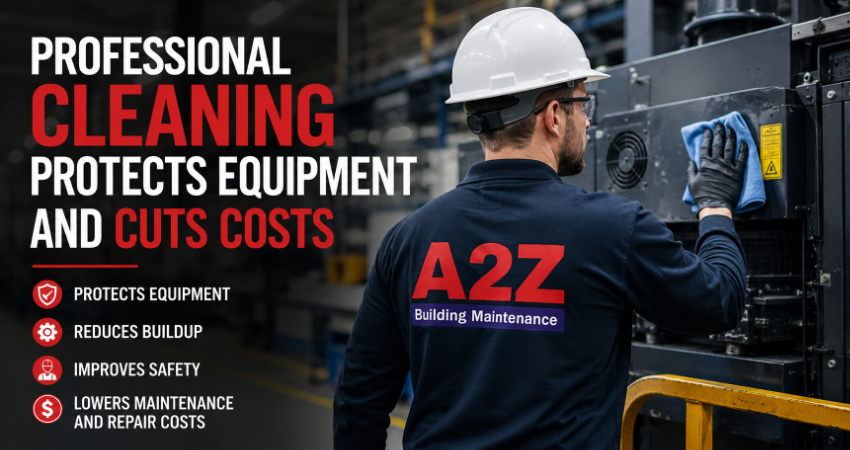
How Professional Cleaning Protects Equipment and Reduces Long-Term Costs
Equipment problems rarely begin with one major event. In many commercial and industrial facilities, long-term damage starts with small issues that are easy to ignore: dust around machinery, grease near production-adjacent areas, debris under equipment, residue on floors, blocked access points, and buildup around vents, drains, and high-traffic zones. Over time, these conditions can affect safety, maintenance schedules, equipment performance, and operating costs.
That is why professional cleaning protects equipment in a practical and measurable way. It helps facility managers reduce avoidable buildup, protect work areas, support inspections, and create a cleaner environment for staff, machines, and daily operations. For Ontario businesses, especially facilities in London, Ontario and surrounding areas, cleaning should be viewed as part of long-term asset care, not only as a visual service.
How Professional Cleaning Protects Equipment from Daily Buildup
Commercial and industrial equipment often operates in environments where dust, moisture, packaging debris, grease, dirt, and floor residue are part of daily activity. If these materials are not controlled, they can settle around machinery, electrical-adjacent areas, storage systems, loading zones, and equipment pathways.
Professional cleaning helps reduce this buildup before it becomes harder and more expensive to remove. A structured cleaning program can support:
- Cleaner floors around equipment and operating zones.
- Reduced dust on surfaces, ledges, vents, and nearby storage areas.
- Better visibility around machinery, access panels, and walkways.
- Less debris near wheels, doors, drains, and movement paths.
- Improved working conditions for maintenance teams and operators.
For facilities with heavier operational demands, scheduled industrial cleaning services can help address areas that standard office-style cleaning cannot properly manage.
Why Equipment Areas Need More Than Basic Cleaning
Basic cleaning may handle visible mess, but equipment areas often need more detailed attention. Dust can collect behind machines. Grease can spread across floors. Packaging fragments can gather near corners and edges. Dirt from loading docks can be tracked into production or storage areas. These problems may not stop operations immediately, but they can gradually create risk.
When cleaning is limited to quick sweeping or surface wiping, deeper buildup can remain around:
- Machinery bases and fixed equipment.
- Warehouse racking and storage systems.
- Loading dock doors, thresholds, and receiving zones.
- Utility rooms, mechanical-adjacent areas, and service corridors.
- High-traffic floor paths used by staff, carts, pallet jacks, or forklifts.
A professional cleaning plan looks at the facility as a working environment. It identifies where dirt starts, where it travels, and which areas need recurring attention.
Cleaning Helps Reduce Long-Term Maintenance Costs
Maintenance costs increase when small problems are allowed to build up. Dirty floors may require more aggressive restoration later. Grease and residue can increase slip risks. Dust can make equipment areas harder to inspect. Debris can slow down staff and make service work more difficult.
Professional cleaning helps reduce long-term costs by supporting prevention. Instead of waiting until a space needs emergency cleaning or expensive restoration, facility managers can plan recurring service around actual usage patterns.
This can help reduce costs connected to:
- Premature floor wear and surface damage.
- Repeated cleaning complaints from staff or tenants.
- Inspection preparation done at the last minute.
- More difficult maintenance access around equipment.
- Heavy buildup that requires stronger cleaning methods later.
For many businesses, this is where a broader commercial cleaning services program becomes valuable. It creates a consistent maintenance rhythm instead of relying on reactive cleaning after problems become visible.
Professional Cleaning Supports Safer Equipment Access
Clean equipment areas are easier and safer to access. When floors are clear, staff can move around machinery with less risk. When debris is removed, maintenance teams can inspect equipment more efficiently. When dust and residue are controlled, the work environment becomes more organized and easier to manage.
Safety benefits may include:
- Reduced slip and trip risks near machines and workstations.
- Clearer walking paths for staff and maintenance teams.
- Cleaner floor markings and safer movement routes.
- Better visibility around equipment, panels, and service areas.
- Less clutter around emergency exits, utility spaces, and access points.
Cleaning does not replace equipment maintenance, but it supports it. A clean work area allows problems to be seen earlier and addressed with less disruption.
Floor Care Plays a Major Role in Equipment Protection
Floors carry the impact of daily operations. In warehouses, commercial buildings, industrial spaces, and production-adjacent areas, floors collect dust, tire marks, spills, debris, and moisture. If floors are neglected, the problem can affect equipment movement, workplace safety, and the overall condition of the facility.
Professional floor cleaning helps protect the operating environment by removing buildup before it causes heavier damage. In some facilities, this may include scheduled scrubbing, periodic deep cleaning, or more specialized floor care. For high-traffic commercial areas, services such as strip and wax floor care may help protect appearance and extend the life of certain floor surfaces.
When floors are easier to clean and maintain, the rest of the facility also becomes easier to manage.
Loading Docks and Exterior Areas Can Affect Equipment Life
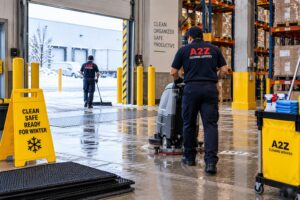
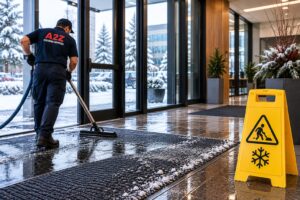
One of the most overlooked sources of equipment-area dirt is the loading dock. Mud, salt, oil, dust, packaging debris, and exterior grime can move from dock areas into warehouse aisles, storage zones, and equipment paths. During Ontario winters, salt and moisture can make this problem worse.
Loading dock cleaning helps reduce the amount of dirt carried deeper into the building. It also supports safer receiving and shipping areas. When exterior-adjacent grime becomes heavy, pressure washing services can help clean dock areas, exterior walkways, and high-soil surfaces more effectively.
Cleaner entry and dock zones help protect both equipment areas and the people working around them.
When Routine Cleaning Is Not Enough
Routine cleaning is important, but some facilities need deeper or more specialized service. If buildup keeps returning, if floors remain dull or sticky, or if dust is visible around racking, equipment, vents, and high surfaces, it may be time to schedule a more detailed service.
Common signs that routine cleaning is not enough include:
- Dust collecting around machinery, vents, or upper surfaces.
- Grease, residue, or stains near equipment areas.
- Floors that still look dirty after regular mopping.
- Loading dock grime being tracked into the facility.
- Recurring odours in staff, storage, or service areas.
- Maintenance teams reporting poor access or messy work zones.
In these cases, scheduled deep cleaning services can help reset the space and support a cleaner long-term maintenance plan.
Common Cleaning Mistakes That Increase Costs
One common mistake is waiting until equipment areas look visibly dirty before taking action. By that point, buildup may already be harder to remove. Another mistake is using the same cleaning routine for every area of the facility. Office spaces, warehouse aisles, loading docks, staff rooms, and equipment zones all have different cleaning needs.
Facility managers should also avoid assigning complex cleaning tasks to untrained staff without the right tools or process. This can lead to missed areas, inconsistent results, and unnecessary safety risks.
A better approach is to separate cleaning tasks by frequency and risk. Daily tasks may include waste control, spill response, and basic floor care. Weekly or monthly tasks may include detailed dust removal, deeper floor cleaning, and equipment-adjacent cleaning. Seasonal tasks may include loading dock cleaning, exterior-adjacent pressure washing, or facility-wide deep cleaning.
How A2Z Helps Facilities Protect Their Investment
A2Z Building Maintenance helps commercial and industrial facilities create cleaning plans that support safer operations, cleaner equipment areas, and better long-term maintenance. The goal is not simply to make a facility look clean for one day. The goal is to help managers maintain standards consistently, reduce avoidable buildup, and protect the spaces where people and equipment work every day.
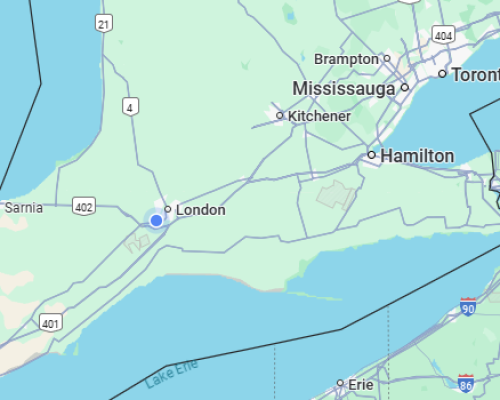
For businesses in London, Ontario and nearby Ontario service areas, A2Z can help assess routine cleaning, deep cleaning, floor care, loading dock cleaning, and industrial cleaning needs based on how the facility actually operates.
Conclusion: Cleaning Is Part of Long-Term Equipment Care
When done properly, professional cleaning protects equipment, supports safer access, improves facility standards, and helps reduce long-term maintenance costs. It gives facility managers a practical way to control dust, debris, grease, floor wear, and buildup before those problems become more expensive.
If your facility has equipment areas, loading docks, high-traffic floors, storage zones, or industrial workspaces that need more consistent cleaning support, A2Z Building Maintenance can help build a practical cleaning plan around your operation. FREE QUOTE
Frequently Asked Questions
How does professional cleaning help protect equipment?
Professional cleaning helps reduce dust, debris, grease, and residue around equipment areas. This supports safer access, cleaner work zones, easier maintenance inspections, and less buildup that may become harder to remove over time.
Can cleaning reduce long-term facility maintenance costs?
Yes. Consistent cleaning can help reduce floor wear, heavy buildup, recurring complaints, last-minute inspection preparation, and difficult maintenance access. It supports prevention rather than waiting for costly cleaning or restoration later.
Which areas should be cleaned to protect equipment?
Important areas include floors around machinery, loading docks, warehouse aisles, vents, ledges, storage areas, service corridors, and equipment-adjacent spaces where dust, debris, grease, or residue can collect.
When is routine cleaning not enough for equipment areas?
Routine cleaning may not be enough when dust returns quickly, floors remain sticky or stained, grease builds up, loading dock grime spreads indoors, or maintenance teams report poor access around equipment and work zones.